Wondering what North Park really feels like once the novelty wears off? For many buyers and small investors, that is the question that matters most. Beyond the buzz, North Park offers a day-to-day rhythm shaped by walkable commercial streets, varied housing, nearby parks, and strong connections to the rest of San Diego. Let’s dive in.
North Park Has a Lived-In Urban Rhythm
North Park is a roughly 2,258-acre community in central San Diego, and the city identifies it as one of San Diego’s older urbanized communities. That shows up in the way the neighborhood functions day to day, with commercial corridors, multi-family areas, single-family blocks, and a strong historic housing fabric all woven together.
A lot of the neighborhood’s daily energy centers on University Avenue, 30th Street, El Cajon Boulevard, and Adams Avenue. According to the city’s community plan, commercial uses are primarily located along these transportation corridors, which helps create a pattern where errands, meals, and casual outings can happen close to home.
North Park Main Street describes the district as an urban, pedestrian-friendly shopping and dining environment. In practical terms, that means your routine can include walking to coffee, meeting friends for dinner, or making a quick stop at a local business without planning your whole day around a drive.
Daily Life Often Happens on the Main Corridors
One reason North Park stands out is that its street life is not limited to occasional weekend activity. The area’s regular programming helps create a repeatable neighborhood rhythm throughout the week.
North Park Main Street highlights a mix of restaurants, cafes, coffee shops, breweries, and tasting rooms. That variety supports the kind of daily convenience many people want, whether you are heading out for a morning coffee, working remotely from a cafe, or grabbing dinner nearby after work.
The neighborhood also has recurring events that shape local life. The weekly Thursday Market and the monthly Ray at Night art walk add consistency to the calendar and give the area an active feel beyond one-time destination visits.
What That Can Mean for You
If you are considering a move, this kind of setup can support a more flexible routine. You may find that social plans, errands, and downtime happen within the same few streets instead of being spread across different parts of the city.
If you are thinking as a small investor, that same consistency matters for demand. A neighborhood with active corridors, repeat traffic, and a mix of uses often appeals to residents who value convenience and connectedness in everyday life.
Housing in North Park Is Varied
North Park does not offer a single housing type or a uniform streetscape. SANDAG’s 2022 estimates for the Greater North Park community planning area show 45,047 residents and 26,509 housing units, with the housing stock led by multi-family buildings and smaller shares of detached and attached single-family homes. SANDAG notes that small-area estimates can carry meaningful margins of error, so these numbers are best used as directional context.
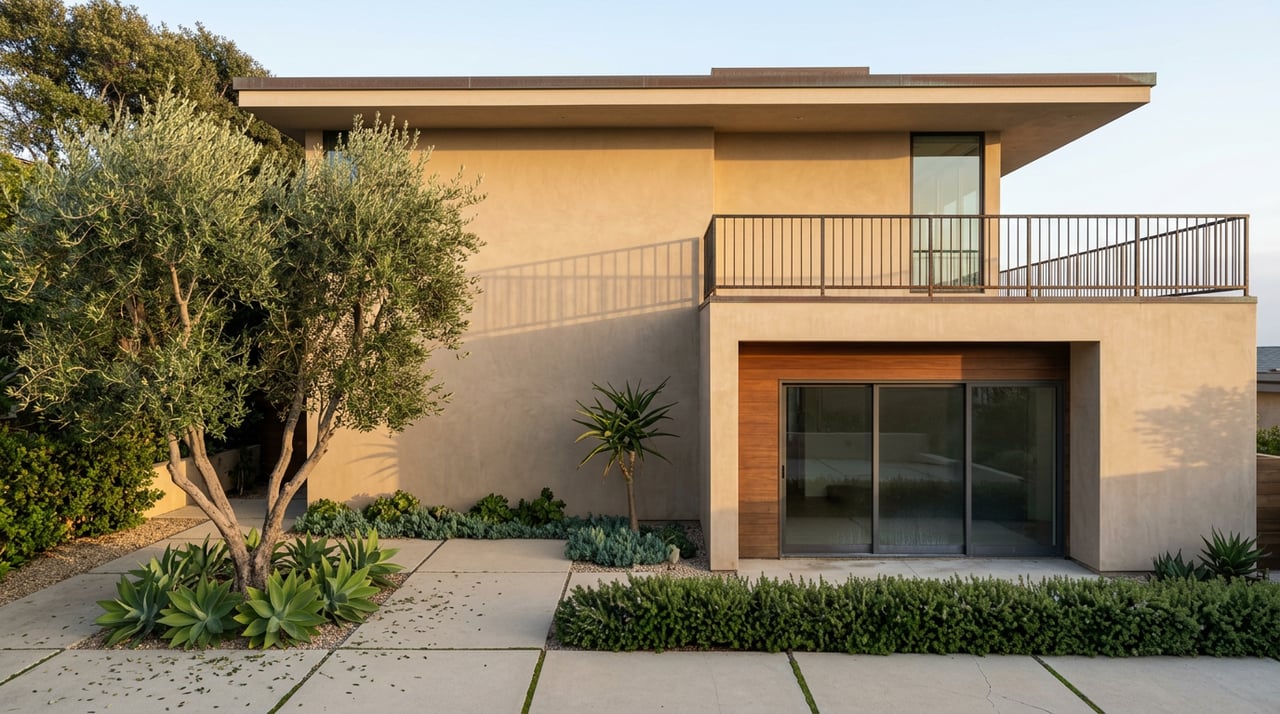
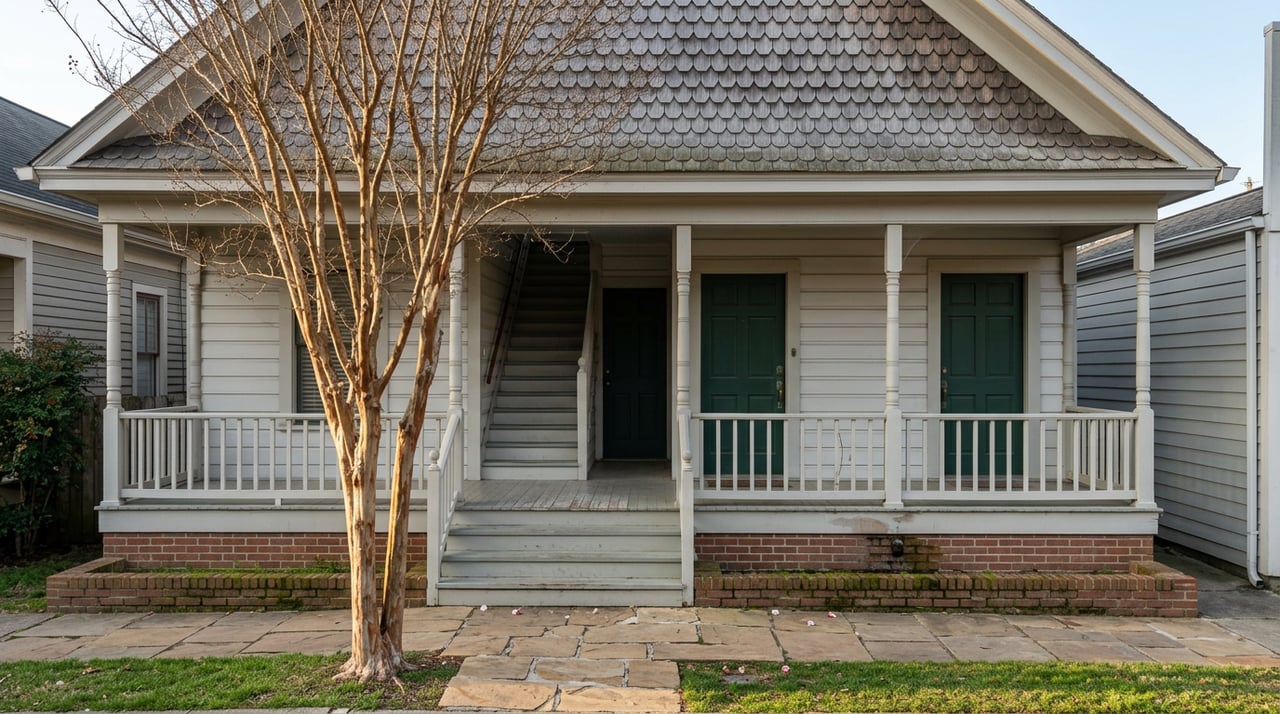
That mix is part of what gives North Park its flexibility. Depending on the block, you may see apartment buildings, duplexes, cottage-style homes, and detached houses within a relatively short distance.
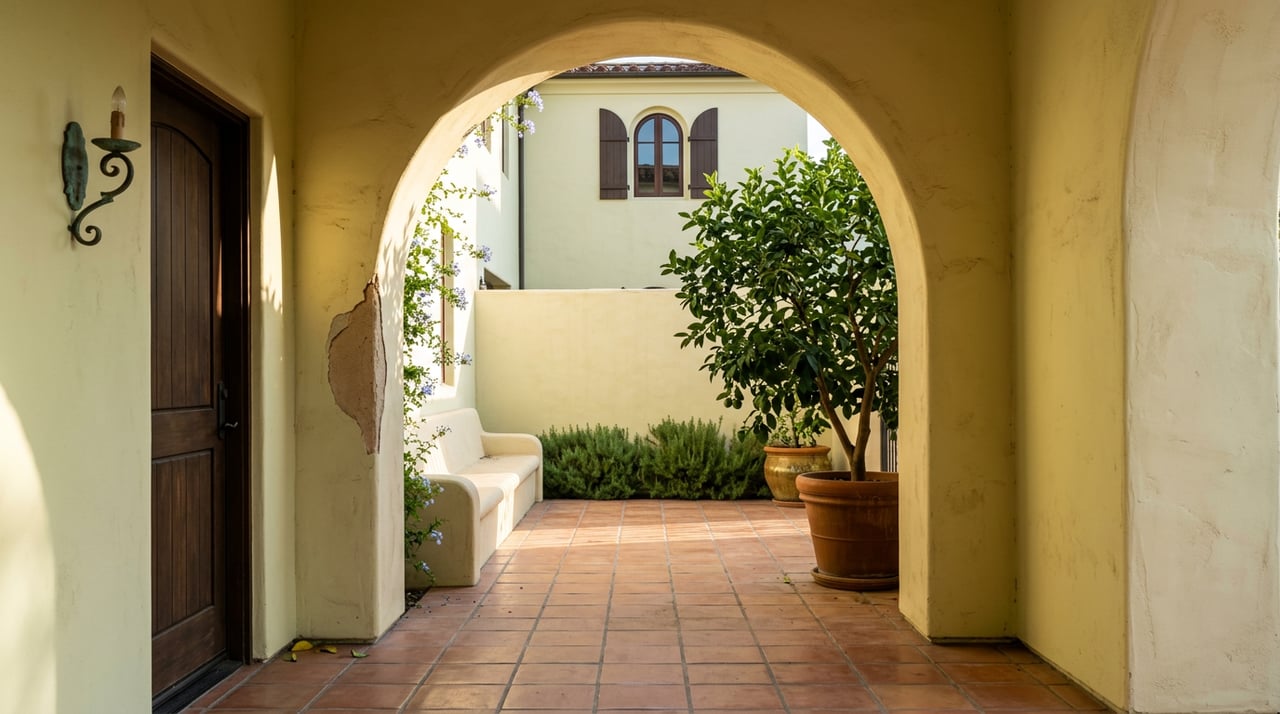
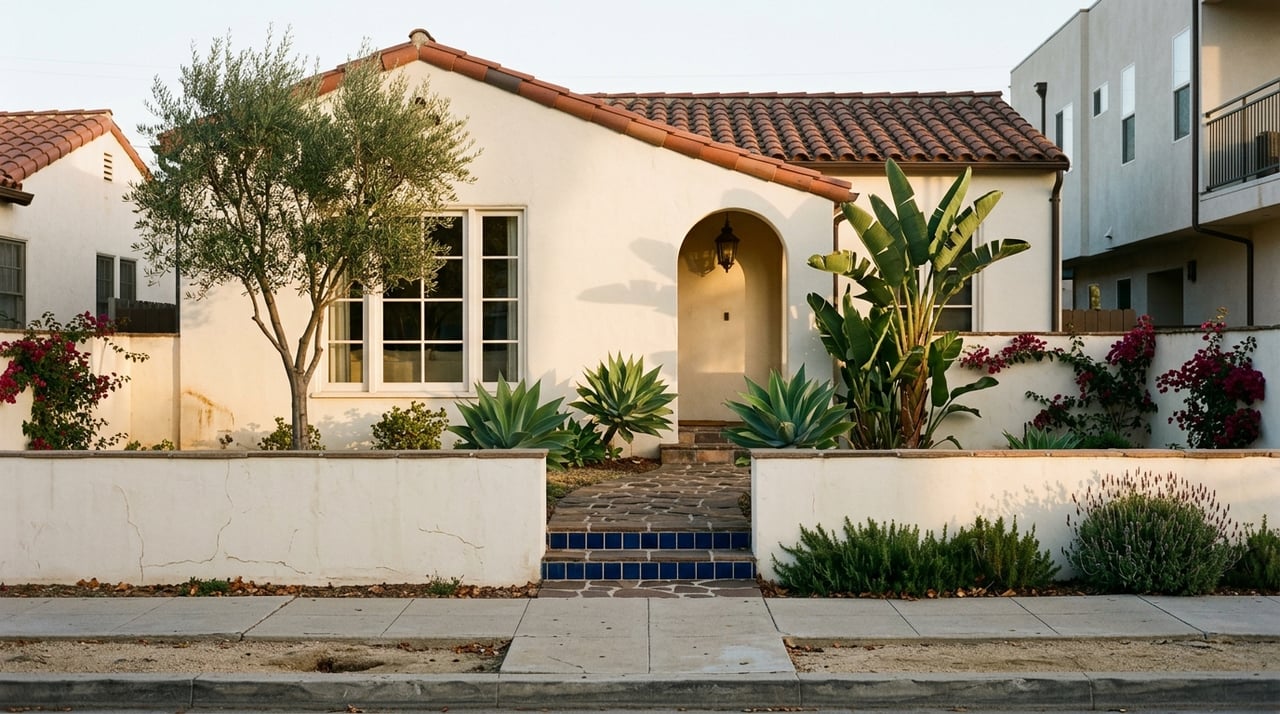
The city’s historic survey describes North Park as an early-20th-century neighborhood that still retains much of its original housing character. Craftsman and California Bungalow homes remain common, and the area also includes Spanish Colonial Revival, Mission Revival, and Minimal Traditional examples.
Block-by-Block Variety Matters
The city’s historic district work shows how much the built environment can change from one block to the next. In the Park Boulevard Residential Historic District, the housing mix includes single-family homes, duplexes, multi-family flats, apartment buildings, bungalow and cottage courts, garden court apartments, and six-pack or dingbat buildings.
For buyers, that can mean more options in how you want to live. For investors, it helps explain why North Park attracts interest from people focused on multi-family and infill properties in established central neighborhoods.
Parks and Amenities Support Everyday Routines
A neighborhood’s appeal is not just about housing or restaurants. It is also about whether your regular week feels manageable and enjoyable, and North Park has several built-in amenities that support that.
The North Park Library offers children and family programs and participates in community-wide events. The North Park Recreation Center includes a gymnasium, teen center, courts, a children’s play area, and a multipurpose field.
These kinds of amenities can make a real difference in daily life. They add structure, convenience, and nearby options for recreation without requiring a long trip across town.
Balboa Park Is Part of the Lifestyle
Balboa Park is one of the biggest influences on life in North Park. The city describes it as more than 1,000 acres with 15 museums, gardens, the San Diego Zoo, Morley Field sports facilities, dog parks, trails, and a free tram.
Because Balboa Park sits adjacent to North Park on the southwest, it becomes part of the neighborhood’s practical routine, not just a special-occasion destination. Depending on your habits, it can shape how you exercise, spend weekends, or fit outdoor time into a normal weekday.
Getting Around Is a Real Advantage
North Park is notably well connected for a neighborhood with older housing stock and a strong historic character. That connectivity supports a more flexible day-to-day lifestyle, especially if you value options beyond driving everywhere.
MTS lists Route 2 as Downtown to North Park and Route 6 as Fashion Valley to North Park. The Boulevard Bus Way also carries Rapid 215 between SDSU and Downtown, connecting North Park with nearby communities including University Heights, Normal Heights, Kensington, Talmadge, and City Heights.
SANDAG’s North Park | Mid-City Bikeways project is designed to make travel within and between nearby communities safer and easier. The project includes 12 miles of bike boulevards and protected bikeways, along with traffic calming and safer crossings.
Why Connectivity Changes Daily Life
For buyers, this often translates into a routine where dining, errands, transit, and outdoor recreation sit closer together. That can make the neighborhood feel more efficient and less car-dependent than many suburban patterns.
For small investors, central location and transportation access are important signals. Combined with North Park’s concentration of multi-family housing, they help explain why the area continues to align with renter demand and infill interest.
Historic Character Can Shape Ownership Decisions
North Park’s historic housing stock is part of its appeal, but it can also shape how you think about ownership. In some older blocks, historic-district processes may affect exterior alterations and renovation planning.
That does not make ownership harder by default, but it does mean due diligence matters. If you are buying a home or evaluating an income property, understanding the building type, block context, and any historic considerations can help you plan more clearly from the start.
This is especially relevant if you are looking at value-add or long-term hold opportunities. In a neighborhood with varied property types and older structures, the physical and regulatory context can be just as important as the address itself.
What North Park Living Often Feels Like
On a practical level, North Park tends to offer a mix of activity and routine. You have commercial streets that stay active, housing that varies by block, neighborhood amenities that support normal life, and a major regional park right next door.
That combination can appeal to different kinds of buyers. Some people are drawn to the neighborhood’s central location and everyday convenience, while others focus on the housing mix, transit access, and long-term relevance in San Diego’s urban core.
If you are weighing North Park, the key is to look beyond the headline appeal. Pay attention to how the neighborhood functions on a Tuesday morning, a Thursday evening, or a quiet weekend afternoon. That is usually where the clearest answer lives.
If you want help evaluating North Park from both a lifestyle and long-term ownership perspective, Folio Real Estate brings a data-driven, operator-minded approach to buying and investing across San Diego.
FAQs
What is daily life like in North Park, San Diego?
- Daily life in North Park often centers on walkable commercial corridors like University Avenue, 30th Street, El Cajon Boulevard, and Adams Avenue, with regular access to dining, cafes, neighborhood events, and nearby parks.
What types of homes are common in North Park?
- North Park includes a mix of multi-family buildings, detached homes, attached homes, duplexes, apartment buildings, bungalow courts, and other early- to mid-20th-century housing types.
What parks and amenities support North Park living?
- North Park residents have access to the North Park Library, the North Park Recreation Center, and nearby Balboa Park, which includes museums, gardens, trails, sports facilities, dog parks, and the San Diego Zoo.
How do people get around North Park, San Diego?
- North Park is served by MTS bus routes including Route 2 and Route 6, the Rapid 215 corridor on the Boulevard Bus Way, and SANDAG bikeway improvements designed to support safer biking and easier local travel.
What should buyers know about owning property in North Park?
- Buyers should know that North Park has a varied housing stock, strong historic character, and in some older areas, historic-district processes that can affect exterior changes and renovation planning.