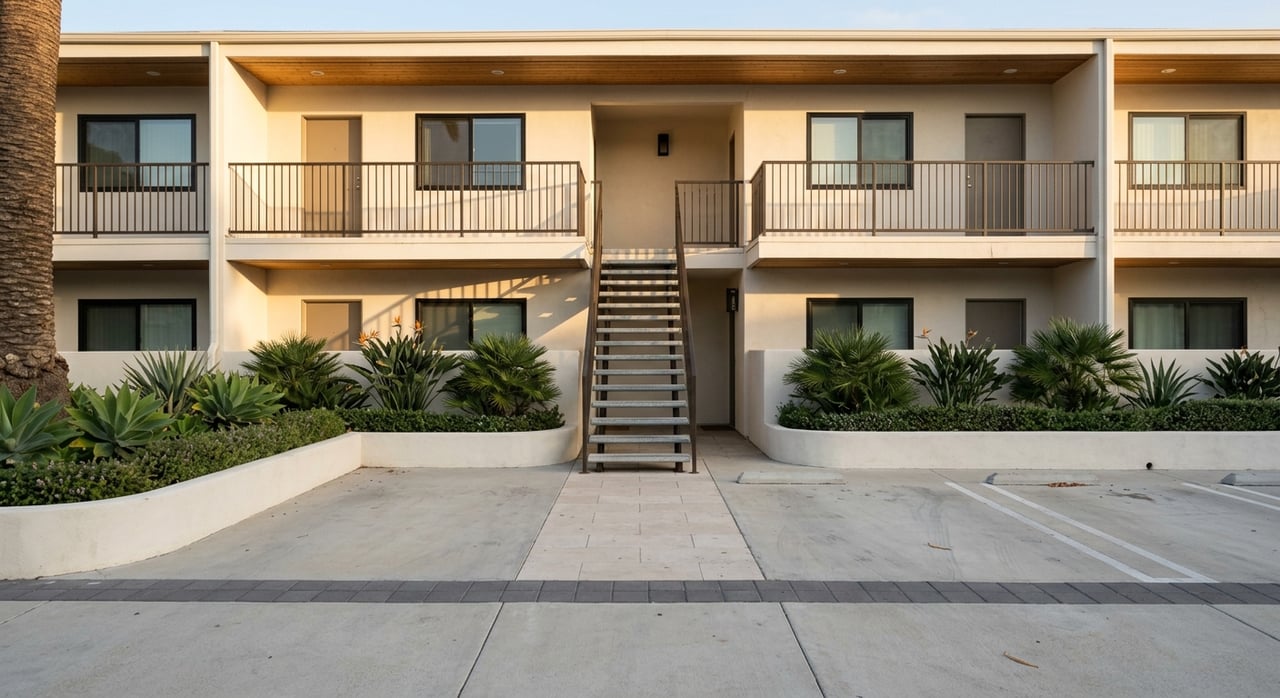
If you own, or plan to own, a small apartment building in Carlsbad, you are not just buying units. You are operating a premium coastal rental business in a market where condition, convenience, and day-to-day execution matter. That can create real opportunity, but it also means your results depend on disciplined management, thoughtful upgrades, and a clear understanding of local rules. Let’s dive in.
Why Carlsbad small apartments stand out
Carlsbad offers a distinct operating environment within North County San Diego. The city has seven miles of coastline, a strong outdoor lifestyle, and a diverse local economy tied in part to tourism and major attractions like LEGOLAND. According to the city’s 2025 Consolidated Plan, Carlsbad has a population of about 114,500 and a median household income of $139,000.
For owners of 4 to 20 unit properties, that backdrop matters. Carlsbad is a high-demand coastal city, but it is also relatively built out. City growth-management materials note that most major new residential communities have already been developed, which means existing apartment properties often compete based on how well they are maintained, positioned, and managed.
That is an important shift in mindset. In Carlsbad, small-apartment performance is often less about chasing speculative rent growth and more about protecting occupancy, improving resident experience, and executing clean operations.
What rents look like in Carlsbad
Carlsbad sits in a high-rent band, but published rent figures vary by source. RentCafe’s June 2026 data shows average apartment rent at $3,244, with one-bedrooms at $2,873, two-bedrooms at $3,380, and three-bedrooms at $4,023. It also reports average apartment rents up 1.37% from the prior year.
Other trackers show a different range. Redfin reported a $3,460 median rent in an August 2025 snapshot, while Zillow’s June 2026 market page showed an overall average of $4,417, with one-bedrooms at $2,595, two-bedrooms at $3,655, and three-bedrooms at $5,250. For underwriting a small apartment asset, the takeaway is simple: use rent data as a range, not a single truth point.
That matters especially when you are evaluating a 4 to 20 unit property. A small building can outperform or underperform broad averages quickly based on parking, unit finish level, layout, on-site laundry, and how close it is to Carlsbad’s daily convenience nodes and coastal lifestyle amenities.
How seasonality affects leasing
Carlsbad leasing tends to follow a seasonal rhythm, even if the swings are not extreme. Zillow’s rental guidance says summer usually brings the most competition and the widest selection, while winter tends to see slower demand and lower rents. In Carlsbad, that pattern likely shows up most in late spring and summer, supported by the city’s year-round beach and trail appeal.
For owners, this has practical implications. If you expect turnover, the late spring and summer window may support faster leasing velocity and stronger pricing. Fall and winter often require a little more flexibility on timing, concessions, or presentation.
That does not mean every lease should be structured around one season. It means your operating plan should account for the reality that timing can influence both vacancy loss and achievable rent.
California rent rules shape your strategy
If you operate apartments in Carlsbad, California’s Tenant Protection Act is a core part of your business plan. AB 1482 caps most annual rent increases at 5% plus CPI, or 10%, whichever is lower. It also requires just cause for many terminations after 12 months of occupancy.
There are important exceptions. The law generally excludes units with certificates of occupancy issued within the past 15 years, owner-occupied duplexes, and some single-family homes and condos when proper written notice is given. Still, for many small apartment owners, the practical operating reality is the same: in-tenancy rent growth is constrained, and turnover becomes the cleanest moment to reset rent to market.
That makes resident retention and turnover planning equally important. If below-market leases cannot be quickly adjusted during occupancy, your long-term performance depends on a balanced approach to lease renewals, resident communication, maintenance response, and unit-turn efficiency.
Condition drives performance in Carlsbad
In a market like Carlsbad, residents are often paying for more than square footage. They are paying for ease, upkeep, and a property that fits their daily routine. For that reason, asset condition can directly affect both leasing speed and rent durability.
The strongest small apartment assets in Carlsbad often win on practical details rather than flashy amenities. Apartments.com renter survey data found that 76% of surveyed renters wanted an in-unit washer and dryer, 70% wanted air conditioning, and 47% wanted off-street parking or a garage. Those preferences line up well with what many renters value in a coastal market built around convenience and an active lifestyle.
For owners, this creates a useful capex filter. Instead of spending broadly, focus on upgrades that improve everyday function and reduce leasing friction.
Upgrades that may matter most
- In-unit washer and dryer where feasible
- Reliable air conditioning or cooling improvements
- Durable flooring and clean, updated finishes
- Functional kitchens and bathrooms
- Off-street parking clarity and striping
- Exterior upkeep, lighting, and common-area cleanliness
In a built-out market with strong competition from other existing assets, these improvements can do more for performance than cosmetic spending with little resident value.
Parking is not a side issue
Parking can have an outsized effect on small-apartment operations in Carlsbad. The city’s multifamily parking standards generally require 1 space per studio or one-bedroom unit and 1.5 spaces per two-bedroom or larger unit in most districts. In BP and BC districts, the standard is generally 2 spaces per two-bedroom or larger unit.
The city has also said it is working to improve parking availability in the Village, Barrio, and nearby beach areas, including adding 44 spaces in 2025 and studying more changes. For apartment owners, this reinforces a simple point: parking is not just a planning detail. It is often a leasing feature and, in some cases, a revenue driver.
If your property offers assigned spaces, garages, or well-managed off-street parking, that may support stronger demand and smoother resident satisfaction. If parking is limited or confusing, the issue can show up quickly in reviews, turnover, and leasing resistance.
Renovation planning needs local discipline
Small-apartment owners often see value-add potential in older Carlsbad assets. That opportunity can be real, but only when the scope is matched with realistic budgeting, permitting, and timeline assumptions.
Carlsbad states that most construction work requires a permit. Properties in the coastal zone can also require a Coastal Development Permit. The city uses objective design standards for multifamily and mixed-use projects, and it notes that state law AB 2097 can limit minimum parking standards on some private development projects.
For owners, the lesson is straightforward. Before finalizing a renovation budget, you should account for:
- Permit requirements
- Potential coastal-zone review
- Design and code compliance
- Entitlement timelines
- City fees and consultant costs
- Construction timing that may affect occupancy
This is especially important in a small property. On a 4 to 20 unit building, one unexpected delay or cost overrun can materially change returns.
Better leasing now depends on digital presentation
Leasing success in Carlsbad is no longer driven by location alone. Digital presentation is now part of operations. Apartments.com survey data found that 99% of renters used search engines, 98% checked online ratings and reviews, and 82% wanted photos of the exact unit.
That has direct implications for small-building owners. If your listings are vague, your photos are outdated, or your communication is slow, you may lose qualified renters before they ever tour. On the other hand, accurate listing details, polished unit photography, and quick follow-up can improve leasing speed without changing the asset itself.
A strong leasing presentation should include
- Photos of the actual available unit
- Clear rent, deposit, and parking details
- Accurate amenity descriptions
- Fast response to inquiries
- Consistent review monitoring and resident communication
In a premium market, details signal professionalism. Renters notice.
What good operations look like in Carlsbad
Holding and operating a small apartment building in Carlsbad works best when you treat it like a long-term business, not a passive placeholder. The city’s market conditions support quality ownership, but they also reward execution.
A strong operating plan usually centers on a few basics done well. Keep the property clean, respond quickly, budget capital work carefully, and understand where your rent upside really comes from. In many cases, it comes less from aggressive annual increases and more from smart turnover strategy, efficient renovations, and a resident experience that supports retention.
Core operating priorities for 4 to 20 units
- Underwrite rents using a range, not one headline number
- Plan for seasonal leasing shifts in spring, summer, fall, and winter
- Understand how AB 1482 affects rent growth and turnover strategy
- Invest in practical upgrades with clear renter demand
- Treat parking as a meaningful operational asset
- Budget permits and coastal-zone review before starting major work
- Present units professionally online and respond quickly to leads
Why integrated support can matter
Small-apartment ownership often gets harder at the points where brokerage, renovation planning, and management overlap. You may find a good acquisition opportunity, but still need help evaluating rents, planning improvements, and setting up operations that protect the hold.
That is where an operator-led, data-first approach can add value. If you are buying, improving, or managing a small apartment asset in Carlsbad, the goal is not just to close a transaction. It is to create a property plan that fits the market, aligns with California rules, and supports performance over time.
Carlsbad remains a compelling place to hold small apartments, but the edge usually comes from discipline. If you want a local partner who understands acquisition, asset optimization, and ongoing operations, connect with Folio Real Estate to build a plan around your next move.
FAQs
What makes small-apartment ownership in Carlsbad different from other rental markets?
- Carlsbad combines high rents, coastal demand, a relatively built-out housing landscape, California tenant-protection rules, and local parking and permitting considerations that make execution especially important.
How should you underwrite apartment rents for a small property in Carlsbad?
- You should treat market rent data as a range because published sources show different averages, and actual performance can vary widely based on unit condition, parking, layout, and management quality.
How does AB 1482 affect apartment owners in Carlsbad?
- For many properties, AB 1482 limits annual in-tenancy rent increases and requires just cause for many terminations after 12 months, which makes turnover one of the clearest opportunities to reset rent to market.
Which apartment amenities matter most to renters in Carlsbad?
- Survey data points to practical features like in-unit washer and dryer, air conditioning, and off-street parking as meaningful renter priorities.
Why is parking important for small apartment buildings in Carlsbad?
- Parking affects leasing, resident satisfaction, and site functionality, and local parking standards can also shape how you plan improvements or evaluate a property’s long-term usability.
What should you review before renovating a small apartment property in Carlsbad?
- You should review permit requirements, possible coastal-zone approvals, design and code standards, fees, and timing before setting your final renovation budget.
How can you lease a small apartment faster in Carlsbad?
- Use accurate listings, strong photos of the exact unit, clear amenity and parking details, and fast communication to reduce friction and improve leasing speed.