You are not choosing between good and bad here. You are choosing between two strong San Diego neighborhoods with different paths to returns. If you are weighing North Park against Hillcrest for your next multifamily buy, you want clear trade-offs, not hype. In this guide, you will compare demand drivers, zoning and policy, underwriting details, and operational risks so you can match the neighborhood to your investment plan. Let’s dive in.
Quick take: pick your play
- Choose Hillcrest if you want durable renter demand driven by walkability, dining, and proximity to major employment centers, including medical hubs. It tends to fit buy-and-hold or value-add strategies in older low- to mid-rise stock where location often outweighs parking. Expect limited large-lot development sites in the core.
- Choose North Park if you want a wider range of small-scale infill, ADU potential, and classic bungalow courts or multiplexes. It often offers approachable entries for value-add and small development, supported by a strong café, brewery, and arts scene along University Avenue and 30th Street.
Demand drivers and renter profiles
Hillcrest: central and walkable
Hillcrest offers an urban, highly walkable environment just north of downtown with dense retail and restaurant corridors along University Avenue and Fourth Avenue. The area attracts young professionals and renters who prioritize location and amenities, including a vibrant dining and nightlife scene. Proximity to UC San Diego Health and downtown employers expands the tenant base to medical and biotech workers who value short commutes and neighborhood convenience.
North Park: creative energy and options
North Park sits adjacent to Hillcrest and combines an arts-and-crafts identity with a well-known craft-brewery and café culture. Renters include young professionals and creatives who want local amenities and neighborhood character. Historically, rents have trended somewhat below the immediate downtown-adjacent areas while still remaining high relative to many San Diego submarkets, which can support broader leasing depth for renovated units.
Market dynamics and buyer landscape
Both neighborhoods feature older small- to mid-size buildings that appeal to local and private buyers targeting 2–16 unit assets. Larger, stabilized properties can attract more institutional or private capital with a longer hold horizon. Value-add remains a common strategy in both areas, since many buildings date to the mid-20th century and benefit from modern finishes and operational upgrades.
When you price risk and yield, look at recent sales comps by price per unit and cap rate, then anchor them against rent growth and vacancy in each submarket. Local market snapshots and property management intel can show where concessions are showing up and how fast renovated units are leasing. The key question is where your plan slots into the buyer pool and what exit channels will be available when you sell.
Zoning and build options
City of San Diego zoning in both neighborhoods includes multifamily designations that permit apartments, with details varying by block. In Hillcrest’s core, lot sizes and existing coverage often limit ground-up opportunities, so your upside typically comes from consolidation or from high-quality repositioning. If you are planning a larger project, evaluate density bonuses where affordable components may unlock additional units under California’s Density Bonus Law and local implementation.
North Park often presents more small-scale infill and ADU paths, including ADUs on single-family or multifamily lots subject to state and local standards. This can add incremental income with lower construction scale, though it still requires careful parking and site planning. Be mindful of potential historic or context overlays, especially around older cores, which can add steps and timelines to permitting.
Parking rules and potential reductions matter in both neighborhoods. Many buildings have limited on-site parking, and walkability often offsets this for renters. Still, your feasibility and rent strategy improve when you size parking expectations correctly and underwrite accordingly.
Policy and regulation you must plan for
California has statewide renter protections and rent-limitation rules that can affect how quickly you realize post-renovation rent increases. Confirm which buildings are exempt and the limits that apply before you close. Local tenant protection ordinances in San Diego, along with short-term rental rules, shape operating options and restrict certain conversion strategies.
If you are pursuing new units or a larger addition, review inclusionary housing requirements, impact fees, and any program incentives connected to affordability. Your underwriting should include a permitting timeline and fee estimate tied to the actual scope. Health, safety, and habitability standards are always central; plan for code compliance as part of your CapEx and schedule.
Underwriting checklist: Hillcrest vs. North Park
Use this side-by-side checklist to focus your model:
Unit mix and size
- Hillcrest: Many studios and 1BRs in low- to mid-rise buildings; location-first renters may accept smaller footprints.
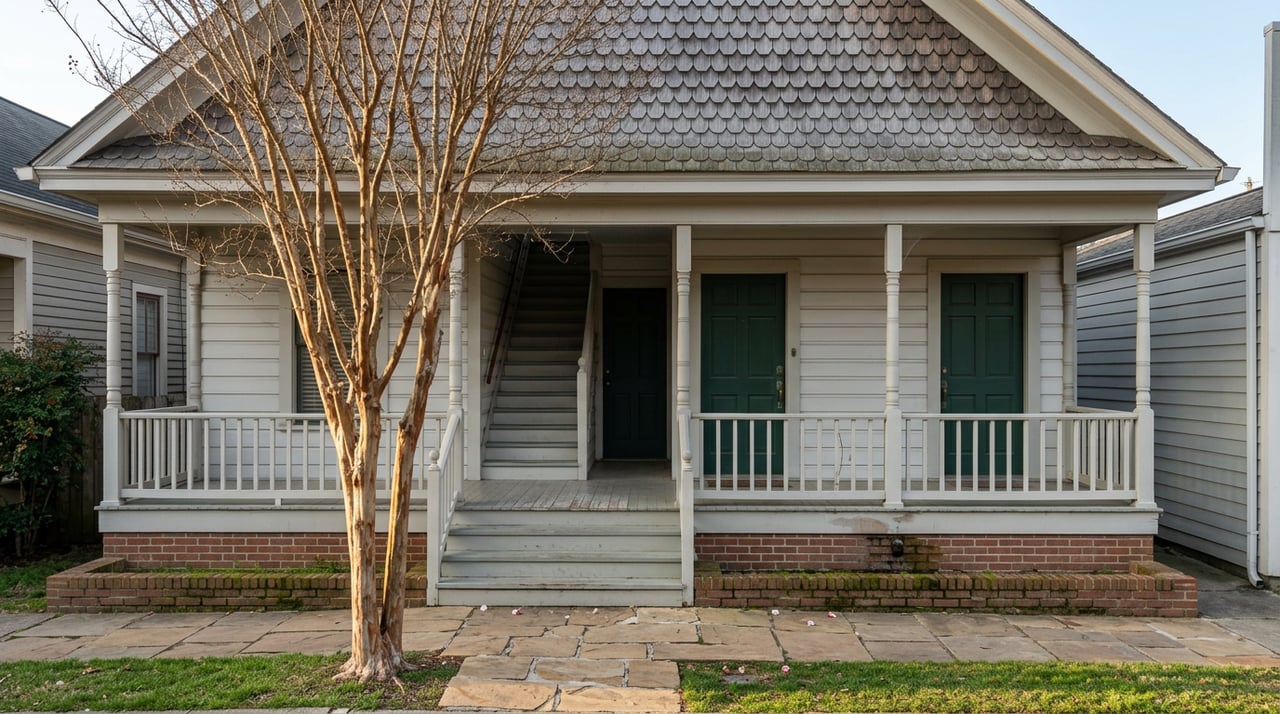
- North Park: Mix of multiplexes, bungalow courts, and garden apartments; unit sizes can vary, so confirm rent per square foot.
Parking and mobility
- Hillcrest: Limited off-street parking is common; walkability is a key trade-off. Price street-parking realities into rent assumptions.
- North Park: Similar constraints on some blocks; verify alley access, tandem spots, and potential for bike storage.
Utilities and ops
- Check for individual metering vs. master-metering, on-site laundry, and potential for RUBS or other cost-recovery programs where allowed.
Occupancy and turnover
- Pull historic occupancy, recent concessions, and time-to-lease for renovated vs. classic units in both areas.
Amenities and upgrades
- Renters look for updated kitchens and baths, in-unit or high-quality shared laundry, better lighting, and smart, efficient layouts. Bike storage and EV charging can be differentiators.
CapEx and systems
- Many assets are mid-20th-century builds. Budget for electrical and plumbing updates, roofs, exterior envelope work, and potential seismic considerations as needed.
Property management
- Walkable urban stock with boutique tenant profiles benefits from attentive local management and responsive maintenance to control turnover.
Renovation and value-add priorities
Start with kitchens and baths, flooring, lighting, and appliance packages that fit the neighborhood’s expectations. In-unit laundry or upgraded shared laundry can support higher rents and faster leasing. Simple curb-appeal wins, like refreshed paint and landscaping, can also help in dense walkable settings.
Your rent-uplift strategy should align with renter protections. Phase renovations to minimize downtime and to move in-place rents toward market as leases roll. Market to young professionals, creatives, and medical staff by highlighting walkability, transit access, and proximity to job centers and neighborhood amenities.
Risks to price into your model
- New supply and infill competition that can pressure rents or lengthen lease-up in specific pockets.
- Policy shifts, fee changes, or expanded tenant protections that alter your revenue assumptions.
- Parking scarcity and traffic, especially near major corridors and event areas.
- Neighborhood nuisances like noise from nightlife or visible homelessness that can affect leasing velocity; review local public services and data.
- Competitive bidding from institutional or well-capitalized buyers for stabilized assets.
- Financing conditions that may limit leverage or increase carry during renovations.
Exits and likely buyer channels
For Hillcrest, buy-and-hold stabilized plays near employment and amenities can appeal to conservative buyers focused on durable income. Value-add is viable, but your upside often comes from a premium location rather than expansion. Expect buyer interest from private capital and local operators for small and mid-size assets.
In North Park, value-add and small-scale infill can create a wider set of exit paths, including selling to another local operator or to a small-scale institutional buyer after stabilization. ADU additions or unit reconfiguration may add NOI and broaden your buyer pool. Short-term rental strategies are limited by local rules, so underwrite as traditional multifamily unless you have a clear, compliant pathway.
How Folio helps you execute
You get better outcomes when acquisition, improvement, and management live under one roof. Folio Real Estate Group integrates brokerage, property management, and development advisory to help you source, underwrite, renovate, and operate with fewer handoffs. With an operator’s mindset and local relationships, you can move from LOI to stabilized NOI with clarity.
If you are comparing a Hillcrest reposition against a North Park infill or ADU plan, we can model both paths and show you where cash flow and total return diverge. Build your strategy with a partner that lives the full asset lifecycle.
Ready to explore opportunities in Hillcrest and North Park? Connect with Folio Real Estate to plan your next acquisition.
FAQs
What makes Hillcrest compelling for multifamily investors?
- Strong walkability, food and retail corridors, and proximity to downtown and medical employers support durable renter demand and buy-and-hold or value-add strategies.
Why do investors consider North Park for value-add?
- North Park’s mix of bungalow courts, multiplexes, and garden apartments often creates approachable entries for renovations and small-scale infill or ADUs.
How do parking constraints affect underwriting in these areas?
- Many buildings have limited off-street parking; successful plans prioritize walkability, bike storage, and realistic rent assumptions for properties with street parking.
What regulations could impact my pro forma?
- State renter protections, local tenant ordinances, short-term rental rules, and inclusionary requirements can affect revenue timing, rent increases, and development scope.
Where does new supply present the biggest risk?
- Infill or pipeline deliveries near your comp set can pressure rents and lengthen lease-up; review local permitting activity and submarket reports before you buy.
Which exit channels are most likely after stabilization?
- For small- to mid-size assets, expect local operators and private buyers; well-located, upgraded properties may also appeal to small institutional capital seeking stable income.