Craving a central San Diego neighborhood where you can grab coffee, catch live music, and stroll home under string lights? Normal Heights might be your pace. You get a walkable main street, a mix of historic bungalows and small apartments, and parks that pull the community together. In this guide, you’ll learn how the neighborhood works day to day, what housing looks like, what it costs, and what to consider before you buy or rent. Let’s dive in.
Where Normal Heights sits
Normal Heights sits in Mid‑City San Diego, roughly between El Cajon Boulevard to the south, I‑805 to the west, I‑8/Mission Valley to the north, and SR‑15 to the east. It is part of the City’s Mid‑City planning area and Council District 9. You can confirm boundaries and community context on the City’s Normal Heights Community Plan page from the City of San Diego.
The name goes back to the early 1900s, when the State Normal School for teacher training stood nearby. The area grew as a streetcar suburb, which explains today’s compact blocks and human‑scale streets. That history still shapes how the neighborhood feels.
Daily life on Adams Avenue
Adams Avenue is the spine of Normal Heights. Picture a long, walkable strip with independent storefronts, murals, and plenty of places to linger. The Adams Avenue Business Association maintains a business directory and organizes major events that define the neighborhood’s public life.
- Daytime rhythm: coffee runs, bakery visits, thrift and antique browsing, and errands you can do on foot.
- Evenings: casual dining, rotating live music, and craft beer spots create a lively street scene.
- Nearby nodes: El Cajon Boulevard adds retail pockets and key east‑west access.
Coffee, dining, and craft beer
You’ll find more independents than big chains here. Restaurants, cafés, bakeries, and brewpubs give you choices within a few blocks. Long‑running fixtures often come up in local conversations. For example, Blind Lady Ale House on Adams is often cited as a Normal Heights institution in regional beer coverage.
The avenue’s calendar matters too. Signature events like Taste of Adams, Adams Avenue Unplugged, and the Adams Avenue Street Fair draw crowds and showcase small businesses. Check the Adams Avenue Business Association for current listings and event updates.
Parks and outdoor time
Ward Canyon Neighborhood Park is the main green space in Normal Heights. It offers play areas, open lawn, basketball courts, and recently added temporary off‑leash dog facilities. Community groups have pushed for more improvements, and the park serves as a gathering point for daily routines and weekend meetups.
Nearby, Trolley Barn Park in University Heights and smaller pocket parks are popular with Normal Heights residents. Concerts and movie nights are a common part of the summer scene across this central area. If you prefer fewer yard chores at home, these walkable parks help balance out smaller lot sizes on many blocks.
Housing styles you’ll see
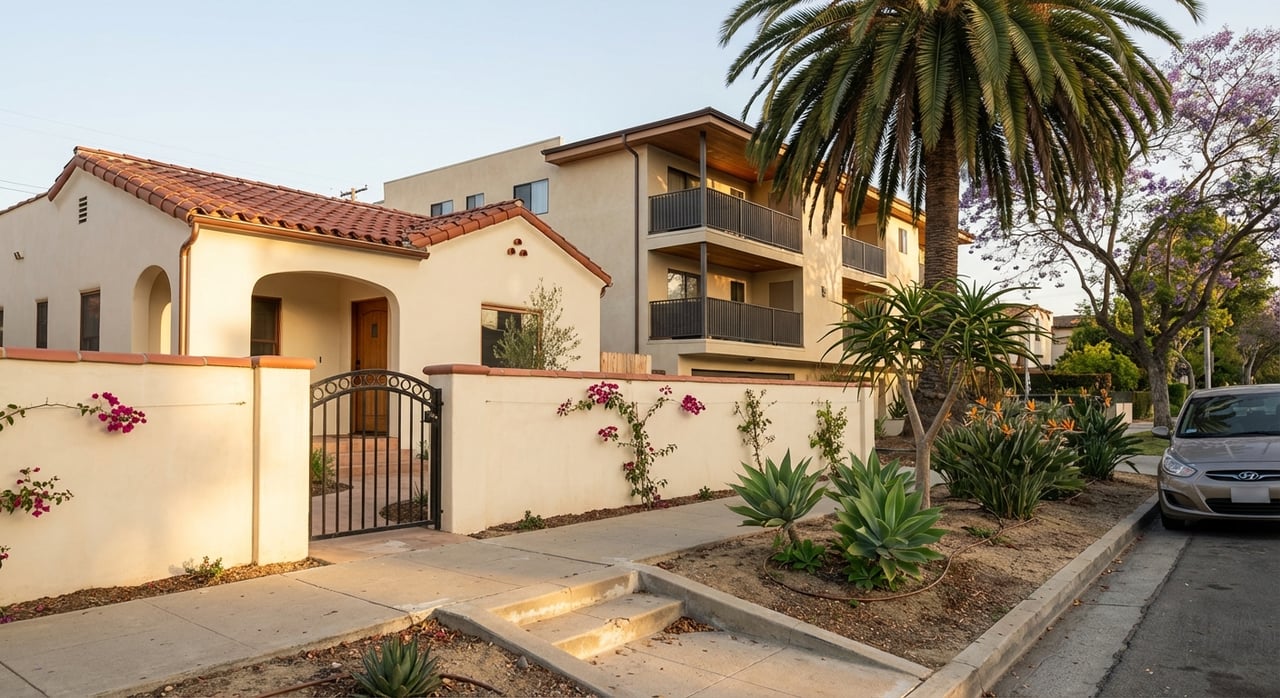
Normal Heights blends early 20th‑century architecture with modest multifamily buildings and newer infill.
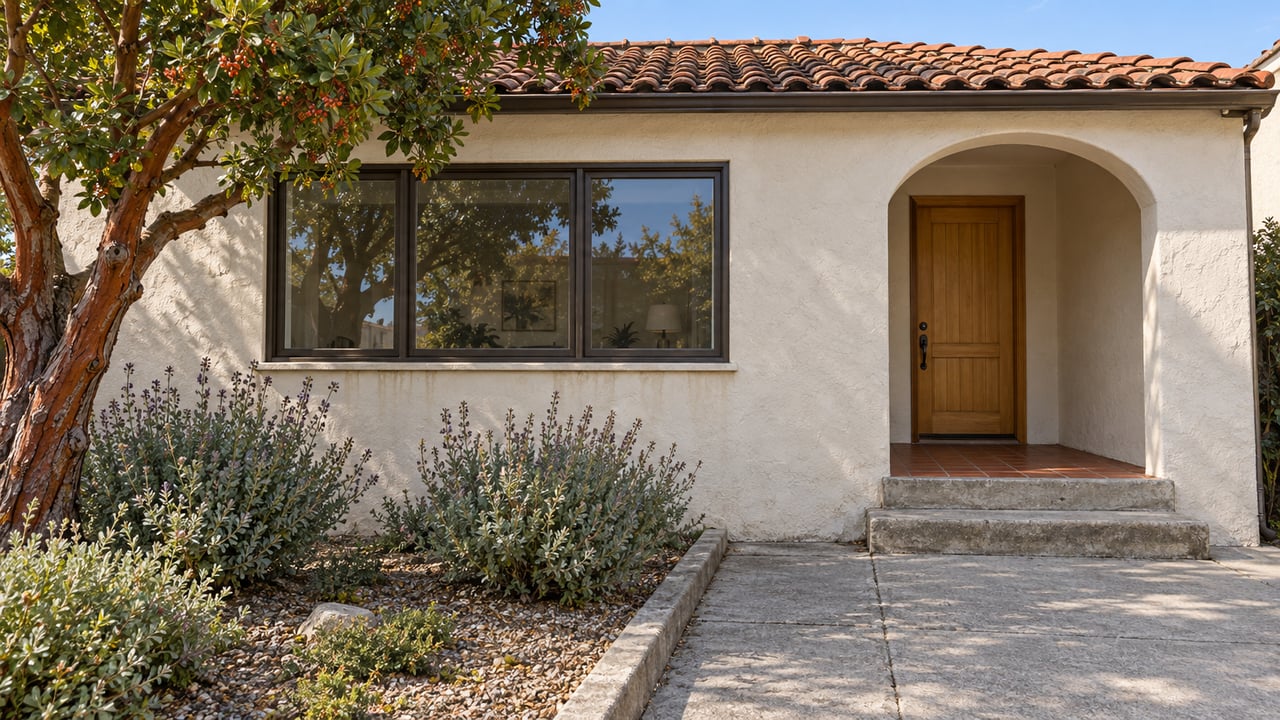
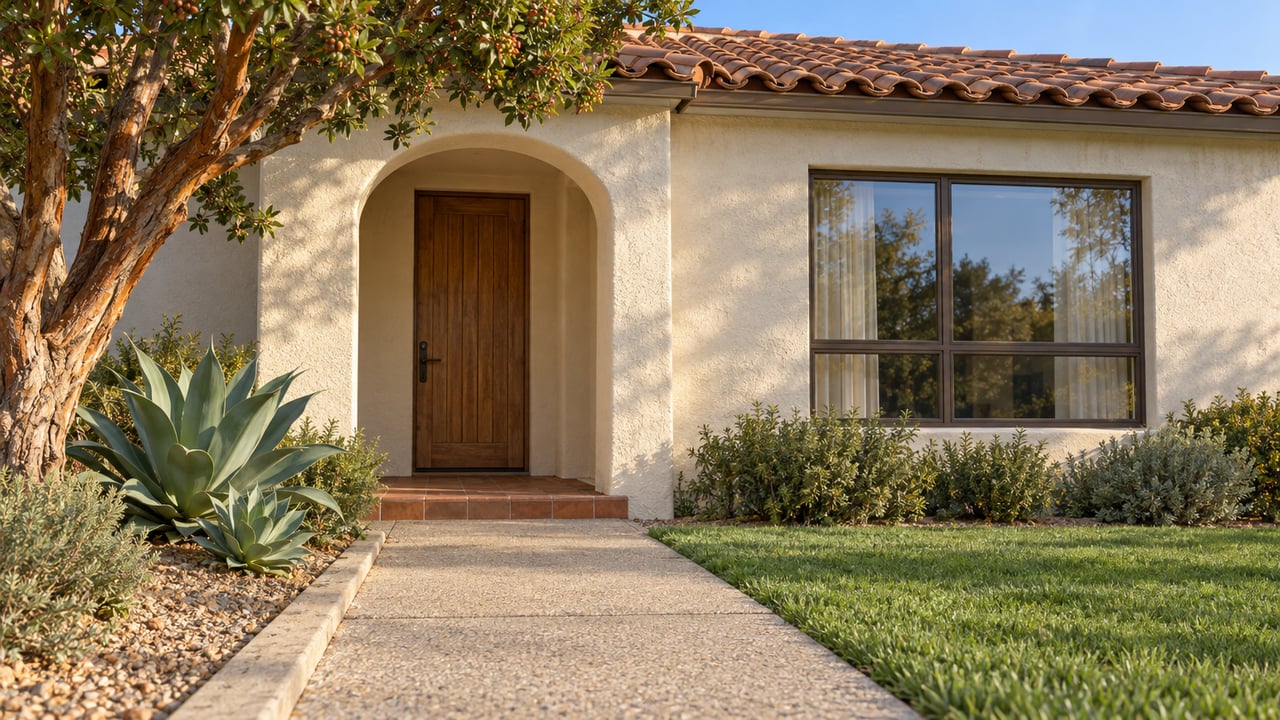
- Historic fabric: Craftsman and Spanish‑influenced bungalows, bungalow courts, and small cottage rows. The City’s plan cites the Louis L. Gill‑designed Santa Rosa bungalow court as an example.
- Multifamily mix: duplexes, cottage‑style apartment courts with 4 to 12 units, and low‑rise walk‑ups at 2 to 3 stories.
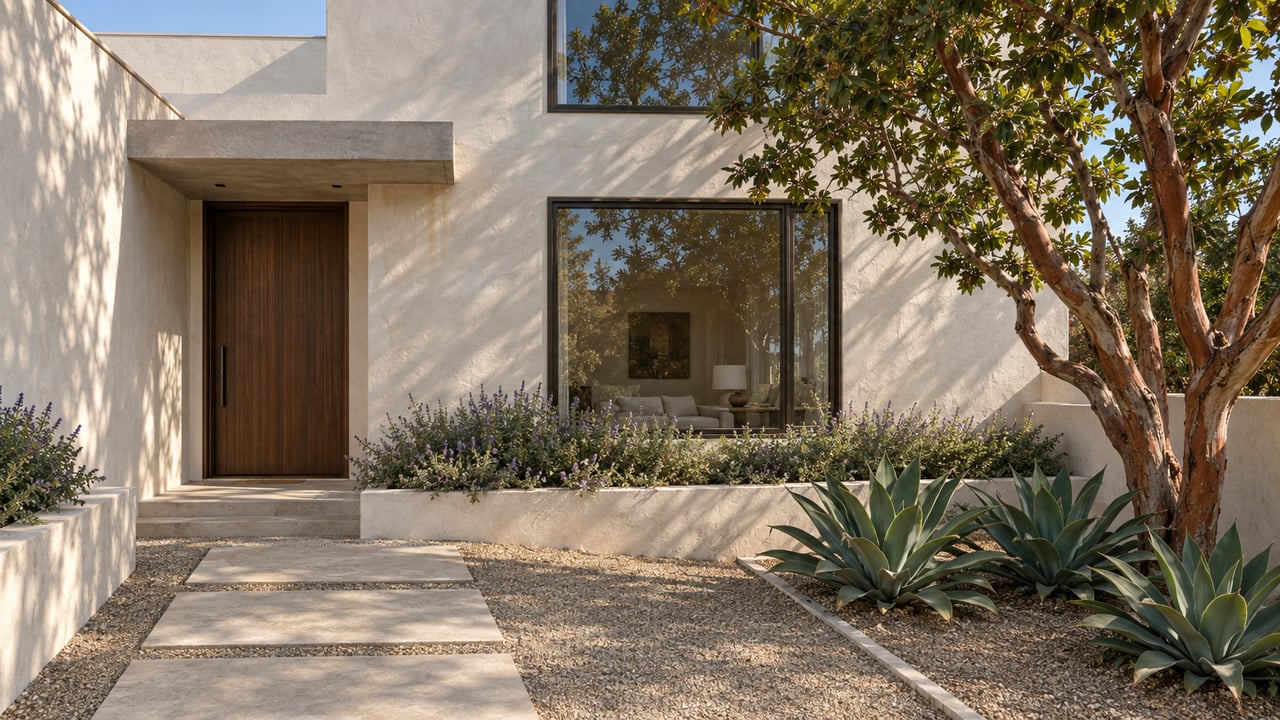
- Infill pattern: small‑lot homes and lot‑level redevelopment appear across the neighborhood, especially near corridors.
You’ll see variety on a short walk, which makes block‑by‑block tours helpful when you are narrowing a search.
What it costs in 2026
Prices vary by source, property type, and finish level. As reference points for early 2026:
- Zillow’s neighborhood home value index for Normal Heights was about 712,718 dollars through January 31, 2026.
- Zillow’s observed rent index showed the neighborhood in the low to mid 1,800s in January 2026.
What that looks like in practice: smaller condos and flats tend to sit in lower price bands. Renovated or larger detached bungalows can command significantly higher prices, sometimes reaching into seven figures depending on lot size and upgrades. Use current MLS searches for up‑to‑the‑minute comps and confirm details on any specific property you are considering.
Getting around: walkability and transit
Walkability is a core strength. Walk Score data places Normal Heights in the high 80s, which is considered very walkable. Many residents can run daily errands on foot, especially near Adams Avenue.
Transit includes several bus routes along the corridor. Downtown access by bus is possible, although not as direct as rail‑served neighborhoods. If you commute regionally, plan for bus connections or a mix of modes.
Parking, noise, and other tradeoffs
Homes built before widespread car ownership often have limited off‑street parking. This is common near the commercial core and on older blocks. Proximity to SR‑15 and El Cajon Boulevard can introduce traffic noise on certain corridors. When you tour, check street parking at different times and listen for ambient noise during peak hours.
Safety varies by block and changes over time. For any property, review up‑to‑date crime‑mapping tools and San Diego Police Department resources to get a current picture at the address level.
Planning, ADUs, and the future
Normal Heights sits within San Diego’s broader push to add housing in transit priority areas. Complete Communities and related tools allow greater density on some sites, which has sparked organized neighborhood discussion about growth and character. You can read a planning analysis that describes these tradeoffs and a recent community response to proposed height along the corridor.
Accessory Dwelling Units are a key part of San Diego’s housing strategy. Many Normal Heights lots are candidates for garage conversions or small detached ADUs. The City maintains detailed ADU guidance and permitting bulletins. If you are buying with plans to add a unit, review the latest City materials and confirm feasibility with a qualified professional before you close.
Who it suits
Normal Heights tends to appeal if you want:
- A walkable main street with independent cafés, restaurants, and nightlife options.
- A mix of housing types, from small apartments to classic bungalows.
- Easy access to central San Diego and nearby neighborhoods like North Park and University Heights.
- Active parks and community events that add rhythm to weekends.
If you prefer large garages, wide driveways, and very quiet nights, focus on blocks away from major corridors and check parking carefully. The variety here is part of the draw, so matching your daily routine to the right micro‑location is key.
How to start your search
Walk Adams Avenue on a weekend and on a weeknight to feel the difference in pace. Tour Ward Canyon Park, sample a café, and note your preferred blocks. Then compare a few housing options in person. If you are weighing a renovation or an ADU, bring a short list of questions to your agent so you can pressure‑test your plan against current City rules.
When you are ready for a data‑driven strategy that considers lifestyle and long‑term value, connect with the local team that operates, manages, and advises every day across central San Diego. Build your plan with Folio Real Estate. Build Your Folio With Us.
Learn more about Folio Real Estate.
FAQs
What are the official boundaries of Normal Heights in San Diego?
- The City places Normal Heights between El Cajon Boulevard, I‑805, I‑8/Mission Valley, and SR‑15 within the Mid‑City planning area and Council District 9.
How walkable and transit‑friendly is Normal Heights for daily errands?
- Walk Score places it in the high 80s, and several bus routes serve the corridor, so many errands are doable on foot with bus options for longer trips.
What do homes and rents cost in Normal Heights in early 2026?
- Zillow’s index shows about 712,718 dollars for home values and an observed rent index in the low to mid 1,800s for January 2026, with wide variation by property type.
Where do residents in Normal Heights go for parks and dog time?
- Ward Canyon Neighborhood Park offers play space, lawn, courts, and temporary off‑leash areas, with Trolley Barn Park nearby for additional green space.
What should buyers know about ADUs and development in Normal Heights?
- City policies enable added density on some sites, and ADUs are encouraged by current bulletins, so check the latest City guidance and confirm feasibility on a specific lot.
How are parking and noise near Adams Avenue and major corridors?
- Off‑street parking is limited on many older blocks, and traffic noise can increase near SR‑15 and El Cajon Boulevard, so test parking and sound at different times.
How can I review safety for a specific Normal Heights address?
- Use current crime‑mapping tools and SDPD resources for property‑level checks, and consider attending local community planning or association meetings for context.