What if living in Hillcrest could also jump‑start your rental portfolio or cover a big slice of your mortgage? If you love the walkable, Uptown lifestyle but want a smarter way to afford it, house hacking can make the numbers work without giving up location. In this guide, you’ll learn practical live‑in strategies that fit Hillcrest, the local rules that matter most, and a simple checklist to help you underwrite a purchase with confidence. Let’s dive in.
Why Hillcrest works for house hacking
Hillcrest puts you close to restaurants, nightlife, and Balboa Park, which keeps long‑term renter demand steady for well‑located homes. The City’s Uptown planning work, including the Hillcrest Focused Plan Amendment, aims to expand housing choices near transit and services, which supports small‑scale rental strategies over time. You get an urban lifestyle and strong amenity access that attracts tenants year‑round. The tradeoff is a high‑cost, supply‑constrained market, so you need a disciplined plan before assuming rent will cover your mortgage.
- Learn more about local planning context in the City’s Hillcrest Focused Plan Amendment.
Proven live‑in strategies in Hillcrest
Duplex and 2–4 unit living
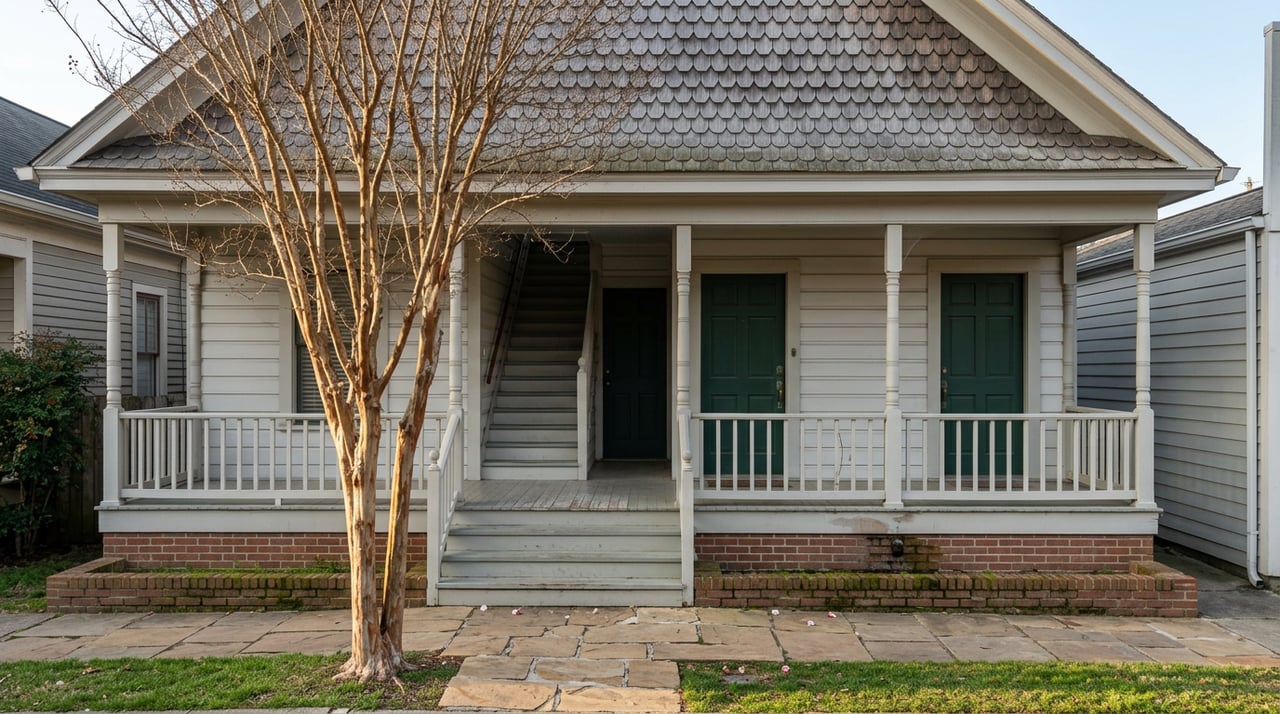
A classic approach is to live in one unit and rent the others. Duplexes or small 3–4 unit buildings often deliver the strongest direct rental income per square foot for owner‑occupants. You can use separate entrances and meters to simplify management and utilities. Expect older building stock and unique layouts, so factor in maintenance, code compliance, and tenant protections as you underwrite.
Condo with roommates
If you prefer a lower entry price, buy a condo and rent spare bedrooms to roommates. This can work well in Hillcrest’s professional tenant base, but HOA rules control what is allowed. Many associations require minimum 30‑day leases, restrict subleasing or room rentals, or cap the total share of rented units. Always verify the CC&Rs and whether the condo project qualifies for conventional financing.
Single‑family with ADU or JADU
Buying a home with an existing ADU, or adding one later, can give you a dedicated rental unit while you live on site. San Diego’s ADU updates, including parking relief in Transit Priority Areas, have made this strategy more feasible in urban neighborhoods like Hillcrest. Confirm feasibility and permitting details early so you understand setbacks, utility requirements, and any fees before you count on the income.
- Review City updates and ADU guidance on the Development Services regulatory updates page.
Know the rules before you buy
HOA and condo rental limits
HOA governing documents often set minimum lease terms and may limit subleasing or room‑by‑room rentals. California’s Davis‑Stirling law limits how restrictive HOAs can be, and there are timing and grandfathering rules tied to when owners acquired their homes. Pull the CC&Rs and current rules, then confirm rental caps, lease lengths, and any waiting periods for new owners.
- See Civil Code guidance on rental limits at the Davis‑Stirling resource for Section 4740.
Condo warrantability and loans
Many lenders require the condo building to be “warrantable,” which means the project passes reviews for owner‑occupancy ratios, litigation, insurance, and other criteria. Non‑warrantable buildings can limit your loan options or raise down payment needs. Ask your lender to review the project early so your financing aligns with your plan to rent rooms or hold long term.
- Read Fannie Mae’s condo project review overview.
Short‑term rentals and local licensing
In San Diego, rentals under 30 days require a Short‑Term Residential Occupancy (STRO) license, and host limits may apply. Licenses are not guaranteed and are not transferable between owners, so do not assume you can run a short‑term rental. If your strategy hinges on stays under 30 days, confirm eligibility and building rules before you write an offer.
- Check license tiers and requirements on the City’s STRO program page.
Tenant protections you must model
California’s AB 1482 generally caps annual rent increases for covered units and requires just cause for many evictions. The City of San Diego’s Residential Tenant Protections Ordinance adds local requirements, including relocation assistance in specified no‑fault cases. These rules affect how you manage turnovers, plan renovations, and forecast rent growth.
- See statewide guidance on AB 1482 at the California Department of Justice.
- Review San Diego’s Residential Tenant Protections Ordinance.
Security deposits after AB 12
As of July 1, 2024, most landlords in California can collect a maximum security deposit of one month’s rent. A limited small‑landlord exception exists for certain natural‑person owners. Plan your cash flow with lower upfront deposits and make sure your lease and accounting follow the 21‑day return timeline.
- Read the enacted bill text for AB 12.
Lead disclosure for older buildings
Many Hillcrest properties predate 1978. Federal law requires sellers and landlords to provide lead‑based paint disclosures and an EPA pamphlet for pre‑1978 housing. Include this in your leasing workflow and due diligence.
- Learn more from the EPA on lead‑based paint disclosures.
Financing your house hack
FHA for 1–4 units
FHA can insure loans for owner‑occupied 1–4 unit properties, often with a 3.5 percent minimum down payment. One borrower must occupy the home within 60 days and intend to stay for at least 12 months. FHA may allow appraiser‑estimated rents to help qualify on 2–4 unit purchases, subject to vacancy allowances and documentation.
- Start with HUD’s policy resources for Single Family Housing.
VA and conventional options
Eligible veterans can use VA financing for owner‑occupied 1–4 unit homes, which can be powerful for duplex or fourplex purchases. Conventional loans can also finance 2–4 units, but underwriting is often tighter and condo projects typically must be warrantable. Ask how your lender treats projected rents and whether boarder income from roommates can be counted.
Using rental income to qualify
Lenders may allow projected rent to offset your housing payment on multi‑unit purchases. The specifics vary by loan program, building type, and documentation, so request a written breakdown of how the lender will treat rents, vacancies, and reserves. This helps you avoid surprises after you enter escrow.
Operating basics that protect your yield
- Insurance: Standard owner‑occupied policies often exclude tenant‑related losses. If you rent a unit or rooms, add the appropriate landlord or HO‑6 endorsements and the liability coverage your HOA requires.
- HOA compliance: Some buildings require leases on file, tenant registration, or proof of insurance. Build these into your leasing checklist.
- Maintenance and code: Verify working smoke and CO detectors, proper egress for bedrooms, and habitability standards before move‑in. Budget for turns, utilities in common areas, and preventative maintenance that preserves NOI.
- Taxes: Rental income is taxable. Keep clean records of deductible expenses and understand that short‑term rentals, if permitted, come with specific city licensing and tax obligations.
Hillcrest purchase checklist
Use this quick list during your search and escrow.
- Financing fit: Confirm your loan program works for the property type. For condos, ask your lender if the project is warrantable.
- HOA rules: Pull CC&Rs to check rental caps, minimum lease length, and any room‑rental or subleasing limits. Ask about timing and grandfathering under state law.
- Short‑term viability: If you plan to host under 30 days, verify STRO license eligibility and whether the building allows it. Do not model income without confirmation.
- Safety and habitability: Confirm legal bedroom definitions, egress, smoke/CO detectors, and occupancy limits. Ask the City for guidance if you are unsure.
- Cash flow realism: Underwrite using conservative rents, a vacancy allowance, HOA dues, insurance, taxes, and maintenance. Avoid counting short‑term revenue unless licenses are in place.
- Tenant protections: Factor AB 1482 limits and San Diego relocation requirements into your plan for rent growth and turnovers.
- Lead disclosures: For pre‑1978 buildings, include federal lead disclosure steps in your leasing process.
Sample live‑in scenarios
- Duplex owner‑occupant: You buy a 2‑unit, live in the larger unit, and rent the other on 12‑month terms. Your tenant’s rent offsets a significant share of the mortgage and HOA or insurance, while you keep long‑term flexibility.
- Condo with roommates: You buy a 2‑bedroom condo in a warrantable project that allows 30‑day minimum leases and no sublease ban. You occupy the primary bedroom and rent the second on a written lease, which reduces your net monthly cost.
- Home with ADU: You purchase a single‑family home with an existing permitted ADU. You live in one unit and sign a one‑year lease on the other. The ADU income helps you qualify and stabilizes cash flow.
Bottom line
Hillcrest is a great place to live, and with the right structure, it can also be a disciplined first step into multifamily ownership. The key is to match your strategy to local rules, confirm financing early, and underwrite like an investor. If you want an operator’s perspective on feasibility, underwriting, permitting, and leasing, our team is here to help you line up each piece.
Ready to stress‑test a Hillcrest house hack or tour properties that fit your plan? Build your Folio with the integrated advisory, management, and development support we offer. Reach out to Folio Real Estate to get started.
FAQs
What is house hacking in Hillcrest and how does it work?
- House hacking means you live in one part of a property and rent the rest, such as a second unit, an ADU, or spare bedrooms, to reduce your net housing cost.
Are short‑term rentals allowed for Hillcrest owner‑occupants?
- Rentals under 30 days require a City of San Diego STRO license, and host limits may apply, so confirm license eligibility and HOA rules before assuming short‑term income.
What HOA rules can affect a Hillcrest condo house hack?
- CC&Rs may set minimum lease lengths, rental caps, or ban subleasing and room‑by‑room rentals, so review the documents and ask your lender about condo warrantability.
Can I use projected rent to help qualify for a duplex in Hillcrest?
- Many loan programs allow projected unit rents to offset your mortgage in underwriting, subject to vacancy factors and documentation, so ask your lender for specifics in writing.
What tenant protections should I plan for in San Diego?
- AB 1482 caps many rent increases and adds just‑cause rules, and the City’s ordinance adds local protections, including relocation in specified no‑fault cases.