If you want to buy your first small multifamily property in San Diego, North Park probably keeps showing up for a reason. It is dense, renter-heavy, centrally located, and full of the kind of older housing stock that can create both opportunity and complexity. If you are trying to figure out whether a duplex, triplex, or small value-add property here makes sense, this guide will help you read the market more clearly. Let’s dive in.
Why North Park stands out
North Park is one of San Diego’s older urban communities, covering about 2,258 acres with early subdivisions recorded just after the turn of the 20th century. Its commercial corridors transition into surrounding multifamily and single-family areas, which gives the neighborhood a layered, urban feel that is different from many suburban rental markets.
Using 92104 as a proxy for much of North Park, the area has about 47,410 residents, 25,064 housing units, and 23,661 households. The median age is 35.2, median household income is $94,014, and bachelor’s-degree attainment is 54.8%. RentCafe also estimates that 71% of households in North Park are renter-occupied, which helps explain why investors continue to watch this submarket closely.
For a first-time investor, that renter share matters. It suggests you are buying into a neighborhood where rental housing is already a major part of the local housing mix, rather than trying to force an investment strategy into an owner-occupied market.
North Park market conditions
North Park remains competitive by multiple measures. Realtor.com’s April 2026 summary shows a median listing price of $719,000, a median sold price of $760,000, median rent of $2,850 per month, and 28 median days on market.
Redfin’s neighborhood data points to a similar story, even though the exact figures differ. It shows a median sale price of $880,000, a 99.2% sale-to-list ratio, and 26 median days on market. Different platforms use different data sets, but both suggest a tight market that still leans toward sellers.
That matters because your first deal in North Park may not come with much room for sloppy underwriting. In a market where well-located properties can move quickly, success often comes from being prepared, disciplined, and realistic about renovation, rent, and tax assumptions.
What small multifamily looks like here
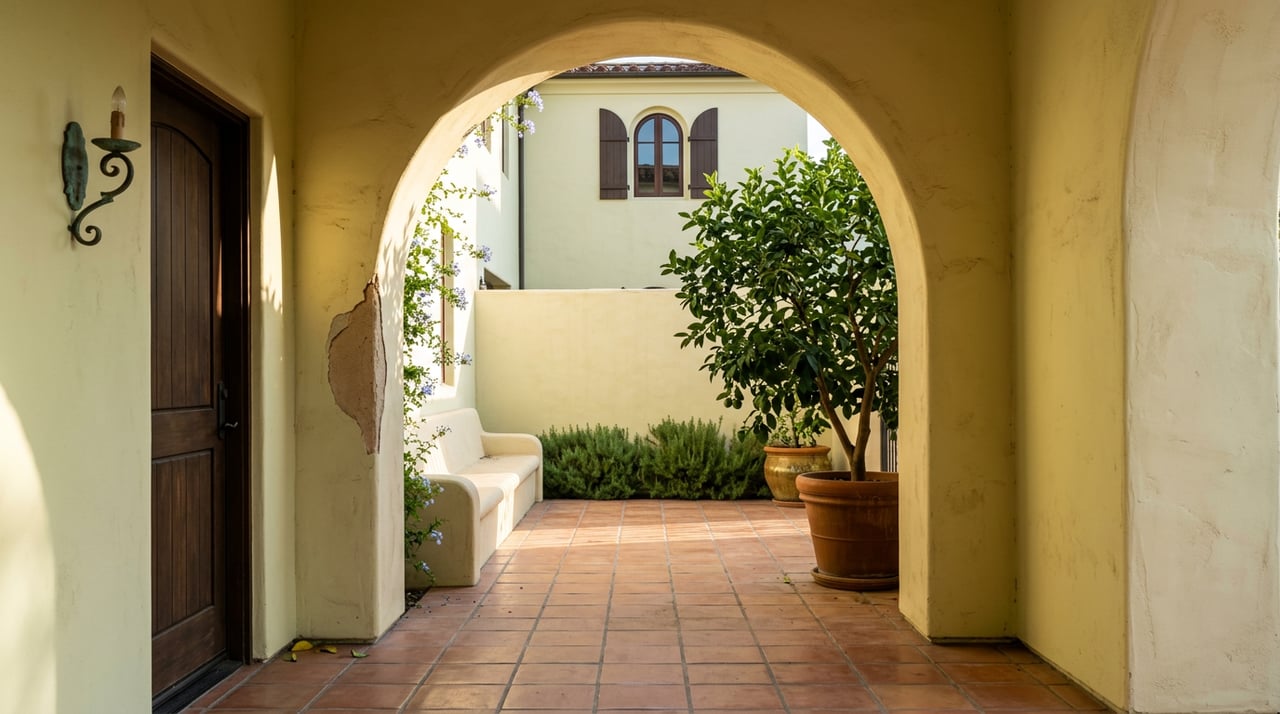
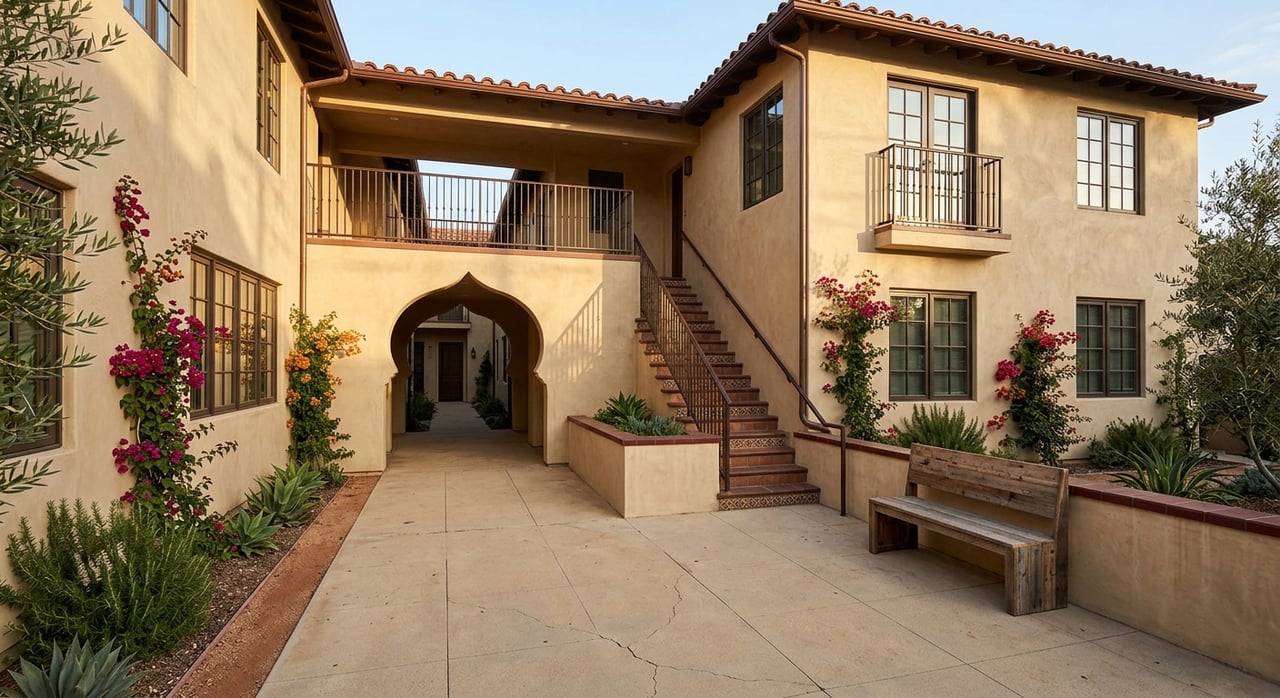
North Park’s building stock is one of its biggest draws. The city’s historical survey shows that 1920s multifamily construction in the area was often made up of bungalow courts and apartment courts, with units arranged around central courtyards or landscaped walkways, sometimes with a rear building anchoring the lot.
The same survey documents 149 contributing bungalow and apartment courts in the broader North Park area. Craftsman and California bungalow homes remained common into the 1930s, and late-1930s Minimal Traditional homes also became part of the local housing stock.
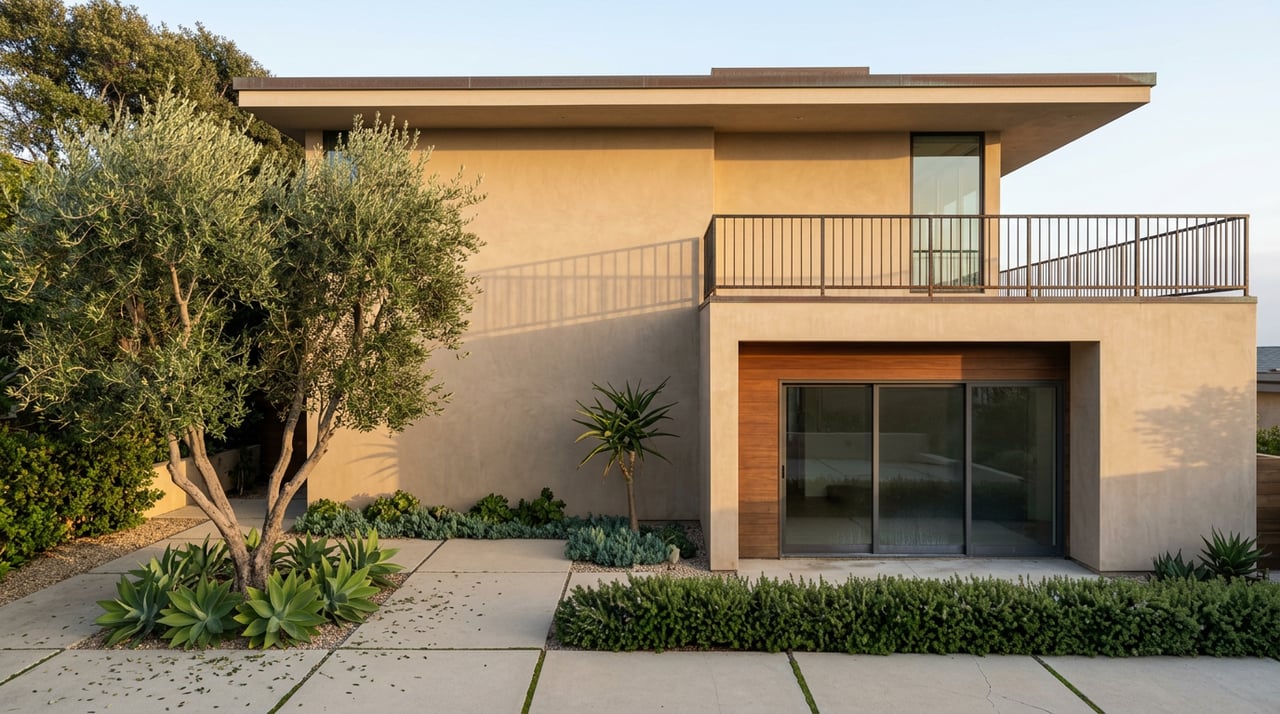
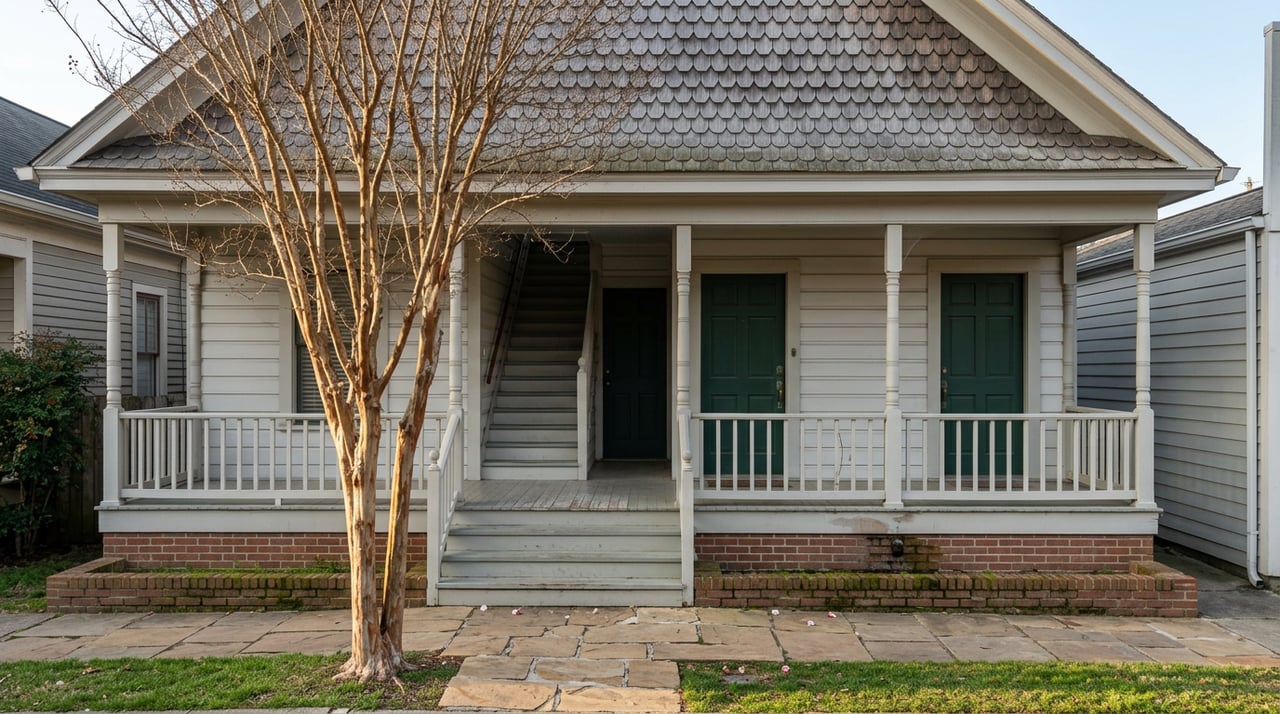
For you as a buyer, that means North Park is rarely a one-note inventory pool. You may see older character duplexes, front-house-plus-rear-unit layouts, mid-century infill, and newer rebuilds, sometimes all within a few blocks of each other.
A common pattern is a front house with one or more rear units on a lot with alley access or a gated driveway. Recent neighborhood sales included a duplex with a private second unit and shared gated driveway, as well as a triplex with a 1929 front house and two rear units. That layout can be attractive because access, parking, and unit separation can materially affect both rentability and resale appeal.
Recent sales show a wide pricing band
One of the easiest mistakes first-time investors make is assuming that “North Park pricing” is one number. It is not. Recent small multifamily trades show a wide spread based on vintage, condition, unit mix, lot size, and layout.
Here are a few recent examples from 2025 and 2026:
| Property type | Notable details | Sale price |
|---|---|---|
| Duplex | Rebuilt in 2022, about 1,920 sq. ft., 3,498 sq. ft. lot | $1.08M |
| Duplex | Front house from 1928, rear house about 1942, 5,608 sq. ft. lot | $1.325M |
| Triplex | Built in 1929, about 2,696 sq. ft. | $1.803M |
| Duplex | Built in 2000, about 1,343 sq. ft., 7,413 sq. ft. lot | $1.17M |
These deals show why you should not underwrite from neighborhood averages alone. Two properties in the same part of North Park can trade very differently if one has stronger parking, a more efficient unit mix, a better renovation history, or more obvious ADU or infill potential.
How to think about rents
Rent data in North Park is useful, but only if you treat it as a starting point. Zillow’s 92104 rental data shows an average rent of $2,503 per month, with live listings around $1,700 to $1,845 for one-bedroom units and about $2,350 for a two-bedroom.
RentCafe’s North Park report shows a higher average apartment rent of $2,757, with one-bedrooms averaging $2,564 and two-bedrooms averaging $3,697. That gap does not necessarily mean one source is wrong. It usually reflects different methodologies, property sets, and timing.
The takeaway is simple: underwrite from property-specific rental comps, not a headline average. In North Park, condition, unit size, parking, privacy, outdoor space, and building style can all move rents in meaningful ways.
Parcel location can change the strategy
North Park is not zoned uniformly, and that matters more than many first-time investors expect. The community plan calls for higher and very high residential densities along University Avenue and El Cajon Boulevard, medium-high to high density in the central area between those corridors, and lower density areas north and south of El Cajon Boulevard.
That means two properties with similar unit counts can have very different upside profiles depending on where they sit. A corridor site, an interior multifamily block, and an edge location may each support a different long-term plan.
Before you assume a property has development or expansion upside, verify the parcel-specific zoning and Municipal Code standards lot by lot. In North Park, the investment story often lives in the details of the parcel, not just the address label.
ADU rules may create upside
For first-time investors, accessory dwelling units can be one of the more interesting upside levers, but only when they are verified carefully. According to the City of San Diego’s August 22, 2025 ADU and JADU update, existing multifamily structures can add up to eight detached ADUs, as long as the number of ADUs does not exceed the number of existing units.
The city also allows certain non-livable spaces in multifamily buildings to be converted into ADUs up to 25% of the number of existing homes in the building. For properties in Transit Priority Areas, parking minimums are removed for new residential and commercial development, and bonus-ADU parking cannot be required inside a TPA.
There are also cases where ADU rules differ inside the Coastal Overlay Zone. Even within the same neighborhood, that makes parcel verification essential before you build a value-add plan around new units.
On some commercial-corridor sites, 2025 city updates also include a 0.5 FAR bonus for residential or mixed-use development on underutilized commercial sites in Sustainable Development Areas when the base commercial zone already allows residential or mixed use. That will not apply to every first-time investor purchase, but it shows why location inside North Park can shape future options.
Due diligence matters more with older stock
North Park’s character is part of the appeal, but older buildings require sharper diligence. The neighborhood survey shows how much of the area’s supply still traces back to the 1920s, 1930s, and mid-century eras, so permit history and legacy construction should be part of your underwriting from the beginning.
The City of San Diego defines unreinforced masonry buildings as those with permits issued before March 24, 1939 that contain load-bearing masonry walls. That does not mean every older property is a problem, but it does mean you should verify building history, rehab permits, and physical condition before assuming your renovation budget is straightforward.
If your strategy depends on adding units, converting space, or materially upgrading the asset, check for permit history, ADU feasibility, and any historic-resource constraints early. On older North Park properties, a deal can look attractive on paper and still become much more expensive once the real scope is understood.
Do not rely on listing taxes
Another common first-time investor mistake is plugging the current tax bill straight into the pro forma. San Diego County says Proposition 13 caps the ad valorem portion of property tax at 1% of full cash value, but a typical secured tax bill can also include voter-approved debt and special district assessments.
The county also notes that new owners may receive supplemental tax bills after a change in ownership or new construction. In practical terms, that means the tax line in a listing is only a reference point. Your post-close ownership costs may look different from the seller’s current bill.
Parking and access can affect performance
In a compact, urban neighborhood like North Park, parking and access are not minor details. They can influence tenant demand, leasing ease, and future resale more than first-time buyers sometimes expect.
Recent sales in the neighborhood highlighted features like detached garages, alley access, gated driveways, and shared off-street parking. When two properties seem similar on price per unit, these practical features can be part of the reason one performs better than the other.
A smart first deal starts with discipline
North Park can be a compelling place to buy your first small multifamily property, but it rewards discipline. You are buying into a renter-heavy urban market with deep housing history, active buyer competition, and real parcel-by-parcel differences in upside.
That is why the best first purchase is not always the prettiest one or the one with the boldest rent-growth story. It is the one where zoning, taxes, condition, parking, rent comps, and operational realities all support a clear plan.
If you want a more rigorous way to evaluate duplexes, triplexes, and small multifamily opportunities in North Park, Folio Real Estate brings a data-first, operator-led approach across acquisition strategy, asset optimization, and long-term ownership planning.
FAQs
What makes North Park appealing for first-time multifamily investors?
- North Park combines a high renter share, central-city location, older multifamily housing stock, and active market demand, which can create opportunity for buy-and-hold investors who underwrite carefully.
What types of small multifamily properties are common in North Park?
- North Park often includes duplexes, triplexes, bungalow-court style properties, front-house-plus-rear-unit layouts, mid-century infill buildings, and some newer rebuilt or infill multifamily properties.
How should first-time investors estimate rents in North Park?
- You should use property-specific rental comps because neighborhood-wide average rent figures vary by source and may not reflect your building’s exact condition, layout, parking, or unit mix.
How important is zoning for North Park multifamily investing?
- Zoning is critical because density and future upside can vary significantly by parcel, especially between major corridors, interior multifamily blocks, and lower-density edge areas.
Can a North Park multifamily property have ADU potential?
- Some properties may have ADU potential under City of San Diego rules, but you need to verify parcel-specific zoning, site constraints, and any overlay or code issues before assuming additional units are feasible.
What due diligence issues matter most for older North Park properties?
- First-time investors should pay close attention to permit history, renovation quality, legacy construction, possible unreinforced masonry issues, parking and access, and any limits on planned value-add improvements.