Looking at Carlsbad’s small apartment buildings and wondering if they pencil? You’re not alone. The coastal appeal, strong job base, and tight vacancy create a compelling story, but the numbers can feel tight at first glance. In this guide, you’ll get a clear view of rents, cap rates, value‑add angles, financing paths, and key risks so you can underwrite with confidence. Let’s dive in.
Why Carlsbad attracts small‑building investors
Demand drivers you can count on
Carlsbad benefits from a diverse job base across tech, manufacturing, life sciences, and hospitality. Local standouts include destination resorts and attractions that support year‑round employment. This mix helps stabilize rental demand near the coast. You can review major employers on the city’s business site for context on the employment base in and around Carlsbad’s submarkets. See the list of top employers in Carlsbad.
Rents and vacancy snapshot
As of early 2026, listing trackers show one‑bedroom asking rents in Carlsbad in the mid‑$2,500s to high‑$2,600s, with two‑bedrooms often in the low‑ to mid‑$3,000s. You can confirm recent averages on RentCafe’s Carlsbad rent trends. The city’s housing‑element surveys have documented rental vacancy near or below 1% in prior years, a signal of a tight market that supports rent resilience. You can view vacancy references in the Carlsbad housing‑element draft.
What you can buy in Carlsbad
Typical small‑building profile
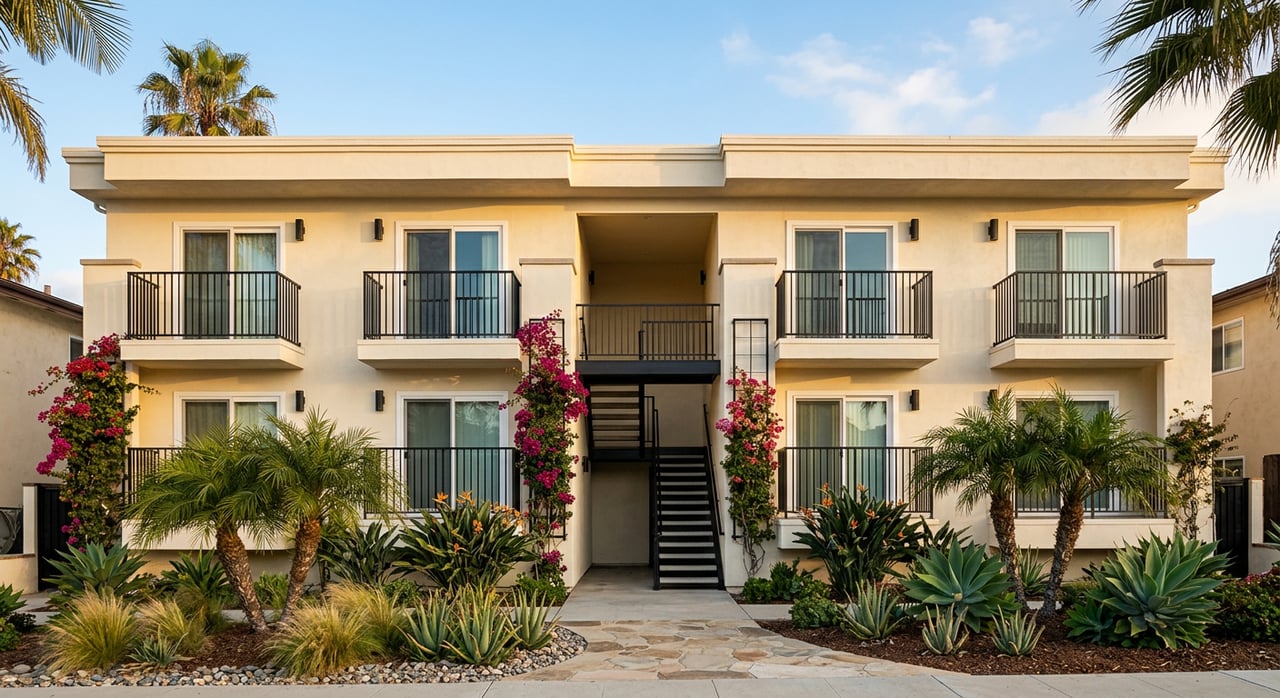
Most investor‑sized properties are 2 to 20 units. Many are low‑rise or garden‑style buildings, and a meaningful share of the city’s housing stock predates 1980. That age profile often presents clear upgrade needs like kitchens and baths, windows and doors, roofing, and plumbing, along with parking or storage constraints. City planning materials document the older stock in Carlsbad’s inventory; see the city’s comprehensive plan materials for historical context.
Value‑add plays that tend to work
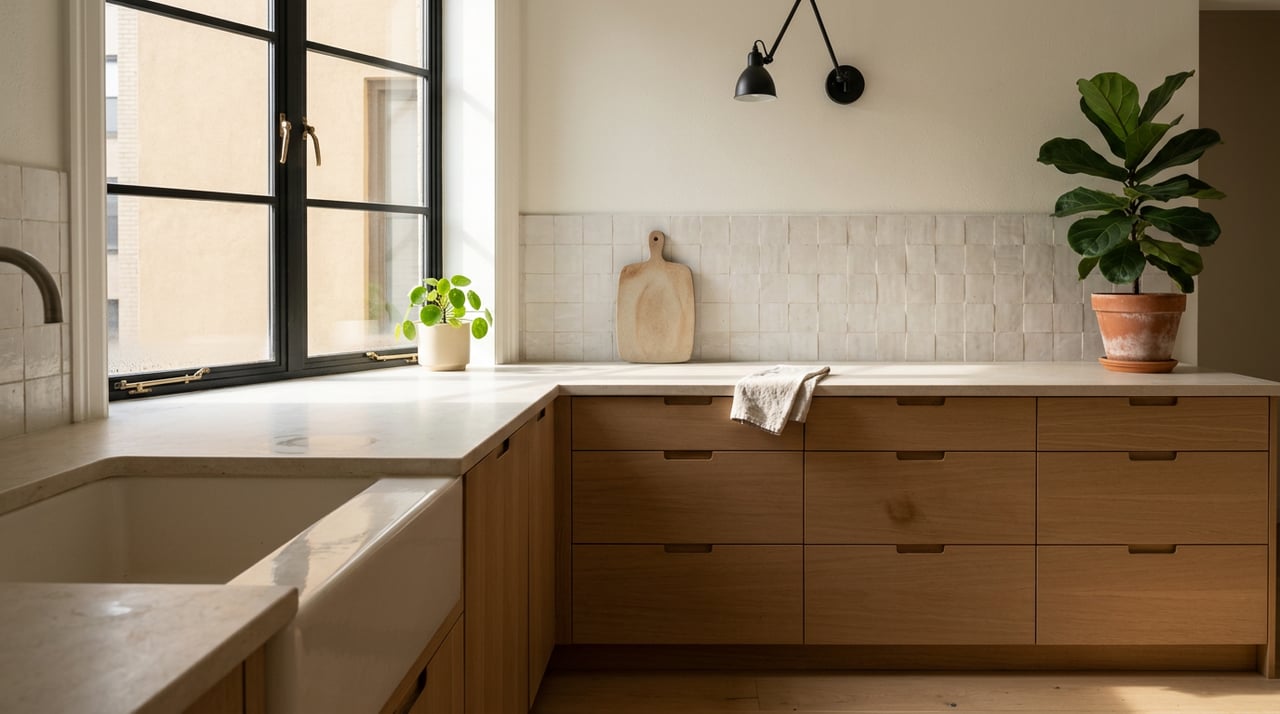
- Interior renovations. Light to mid‑scope interior refreshes of kitchens, baths, flooring, paint, and lighting often produce measurable rent premiums compared to unrenovated units. Stage renovations over time and benchmark achievable rent lifts using active comps.
- Operations and ancillary income. Improve marketing and leasing, refine resident services, optimize utility cost sharing where allowed, and evaluate paid parking, storage, and laundry.
- ADUs on multifamily parcels. Carlsbad has updated its ADU rules to align with state law, with added clarity for ADUs on multifamily lots. Site feasibility still matters, especially in the coastal zone. Review the city’s ADU policy update and confirm utilities, fire access, setbacks, and parking before you underwrite the upside.
How deals pencil: pricing and cap rates
Cap‑rate context on the coast
Recent North County and San Diego metro reports point to mid‑4% cap rates for marketed assets, with small coastal buildings in Carlsbad often trading at compressed yields relative to inland areas. Buyers frequently accept lower initial cash returns for scarcity, location, and long‑term appreciation. Read the North County context in this San Diego multifamily update.
Strategy implications
If you need high immediate cash flow, Carlsbad’s small buildings may feel tight. If you prioritize stable occupancy, rent durability, and appreciation with selective value‑add, the market can fit well. Underwrite conservatively at the in‑place cap rate, then layer realistic interior and operational improvements. Focus on clean, predictable upgrades rather than heavy repositioning unless you have clear entitlements and cost control.
Rules that shape returns
Coastal permits and timing
Much of Carlsbad’s most desirable inventory sits in the coastal zone. Projects there may require Local Coastal Program or Coastal Development Permit review, which can extend timelines and limit design and height. This adds friction to bringing new units online and supports existing asset values. Review coastal and permit context in the Caltrans District 11 coastal program materials.
Short‑term rentals are regulated
Do not assume you can convert long‑term units to short‑term rentals. Carlsbad requires permits and enforces STVR rules. Always check the city’s current short‑term vacation rental regulations before you underwrite any STR strategy.
Financing: 1–4 units vs. 5+ units
Residential loans for 1–4 units
Properties up to four units are often eligible for conventional residential financing. Underwriting typically considers your income along with property cash flow, and owner‑occupant options may be available. You can review rental‑income treatment in the Fannie Mae Selling Guide.
Commercial loans for 5+ units
Five units and up are financed as commercial multifamily. Lenders size loans to property NOI using DSCR and LTV thresholds that move with interest rates. Expect more documentation, longer timelines, and sensitivity to your pro forma assumptions. Stress test DSCR at higher rates and include a realistic reserve for repairs.
Taxes and coastal costs to model
Proposition 13 and reassessment
In California, property taxes are usually about 1% of assessed value plus local voter‑approved debt. When you buy, the county reassesses to market value, which can trigger supplemental tax bills. Plan for this in your first‑year cash flow. Learn more about supplemental assessments from the California BOE.
Insurance and coastal risk
Coastal properties can carry higher insurance costs due to wind and flood exposure. Order site‑specific flood maps and insurance quotes early. In the coastal zone, track evolving sea‑level and shoreline policies to plan for long‑term capex and operating considerations. The regional coastal program overview is a good starting point for understanding policy context.
A practical underwriting checklist
- Validate income. Confirm unit‑by‑unit rent roll, lease terms, concessions, and actual collections. Compare to current neighborhood comps, not just citywide averages.
- Verify rent law coverage. Confirm AB 1482 applicability and any exemptions at the unit level. Make sure required notices are on file if exemptions apply.
- Check coastal and permit history. Determine if the parcel is in the coastal zone and whether past approvals transfer. Ask about any pending code cases.
- Model taxes and insurance. Estimate new assessed value on purchase and add expected supplemental bills. Get multiple insurance quotes that reflect coastal hazards.
- Evaluate ADU feasibility. On suitable sites, run a quick test for setbacks, utility capacity, parking, and fire access using the city’s ADU guidance.
- Align financing early. Confirm whether the deal will be under residential or commercial rules and run DSCR scenarios at stress rates.
- Budget capex and reserves. For older buildings, get contractor or engineer input on roofs, MEP systems, and envelope. Stage interior renovations to manage cash flow.
Is Carlsbad the right fit for you?
If you value rent stability, low vacancy, and long‑term appreciation, Carlsbad’s small apartment buildings can be a strong addition to your portfolio. The tradeoff is lower going‑in yield and a premium for coastal location. Success favors disciplined underwriting, targeted upgrades, and a reliable operator who can buy, improve, and manage with precision.
Ready to explore on‑ and off‑market options, run the numbers, and map the renovation plan before you close? Build your portfolio with an integrated advisor who treats your assets like their own. Folio Real Estate can help you source, underwrite, acquire, and manage with confidence.
FAQs
What are average rents for small apartments in Carlsbad?
- As of early 2026, listing trackers show one‑bedroom asking rents in the mid‑$2,500s to high‑$2,600s, with two‑bedrooms often in the low‑ to mid‑$3,000s; confirm with current comps and RentCafe’s Carlsbad trends.
How low is rental vacancy in Carlsbad and why does it matter?
- City housing‑element surveys have shown vacancy near or below 1% in prior years, which supports rent resilience but compresses yields; see references in the Carlsbad housing‑element draft.
Are ADUs allowed on multifamily lots in Carlsbad?
- Yes, Carlsbad updated its ADU rules to align with state law and added clarity for ADUs on multifamily parcels; always confirm feasibility and coastal permitting using the city’s ADU update.
How do loans differ for 1–4 units versus 5+ units?
- 1–4 units often qualify for residential loans that consider your income, while 5+ units use commercial underwriting based on DSCR and NOI; see rental‑income treatment in the Fannie Mae Selling Guide.
Can I convert long‑term units to short‑term rentals in Carlsbad?
- Short‑term vacation rentals are regulated and require permits; do not underwrite STR conversions without confirming compliance with the city’s STVR rules.
What cap rates should I expect on small Carlsbad buildings?
- Marketed small coastal assets commonly reference mid‑4% cap rates, with pricing and returns varying by location and condition; see the regional context in this San Diego multifamily report.