Selling a coastal home in Encinitas can feel straightforward on the surface, especially in a market where well-positioned homes move fast. But coastal property comes with extra layers, from exterior wear and permit questions to disclosures and buyer expectations. If you want to make a strong first impression and protect your sale, it helps to prepare with a clear plan. Let’s dive in.
Why preparation matters in Encinitas
Encinitas is a very competitive market. Redfin’s May 2026 data show a median sale price of $2,178,696, a median of 19 days on market, a 99.8% sale-to-list ratio, and 32.1% of homes selling above list price. Homes are also averaging 3 offers, which tells you buyers are paying close attention when a coastal property comes to market.
That kind of pace can work in your favor, but it also raises the stakes. In a fast market, buyers notice presentation, condition, and pricing right away. If your home looks bright, well maintained, and properly documented from day one, you are in a much stronger position.
Start with visible improvements
For many Encinitas sellers, the best pre-listing work is the kind buyers can see immediately. Local feature-trend data point to fresh paint, open concept kitchens, double-pane windows, and new appliances as strong value-associated features in this market. That does not mean every seller needs a major remodel, but it does mean clean, current, and functional presentation matters.
Focus first on updates that improve how the home feels in person and in photos. Buyers tend to respond to spaces that look open, bright, and move-in ready. Small visual improvements often do more for buyer perception than expensive projects that are not obvious.
Prioritize high-impact basics
Before your home is photographed or shown, pay close attention to:
- Fresh interior and exterior paint where needed
- Clean windows and unobstructed natural light
- Updated or polished appliances if they look dated
- Decluttered rooms with clear sightlines
- A layout that feels open and easy to move through
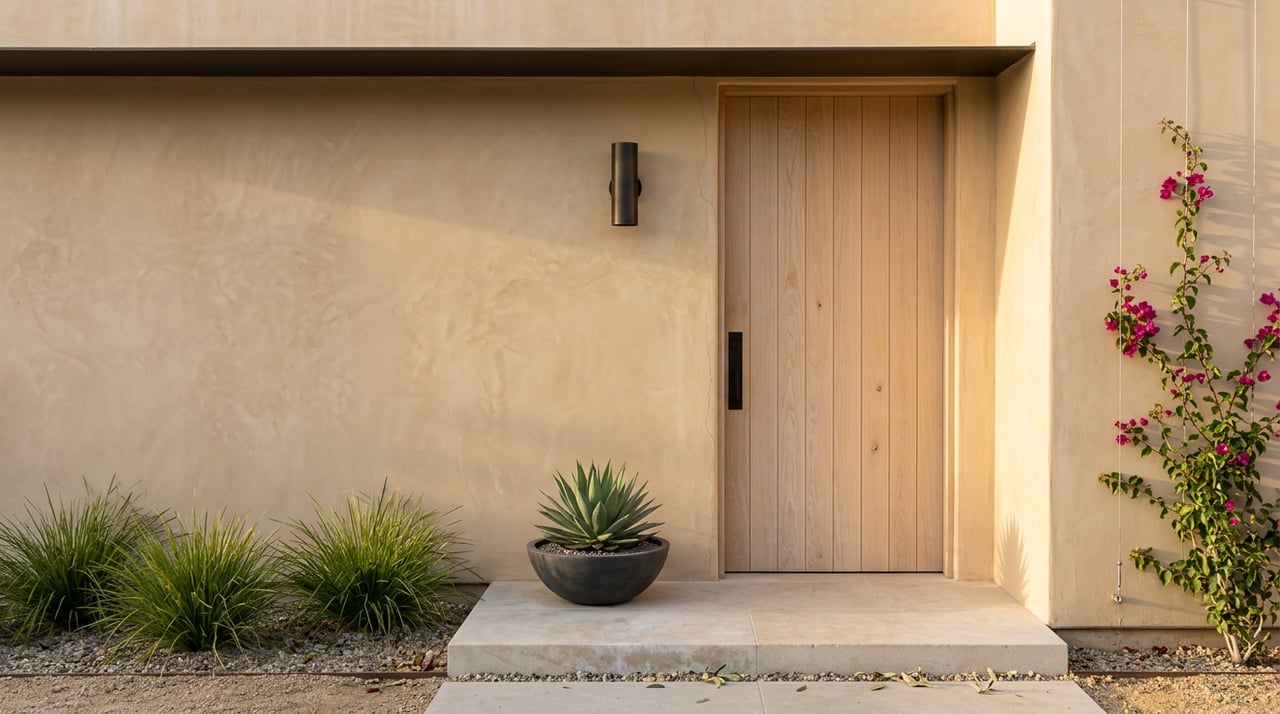
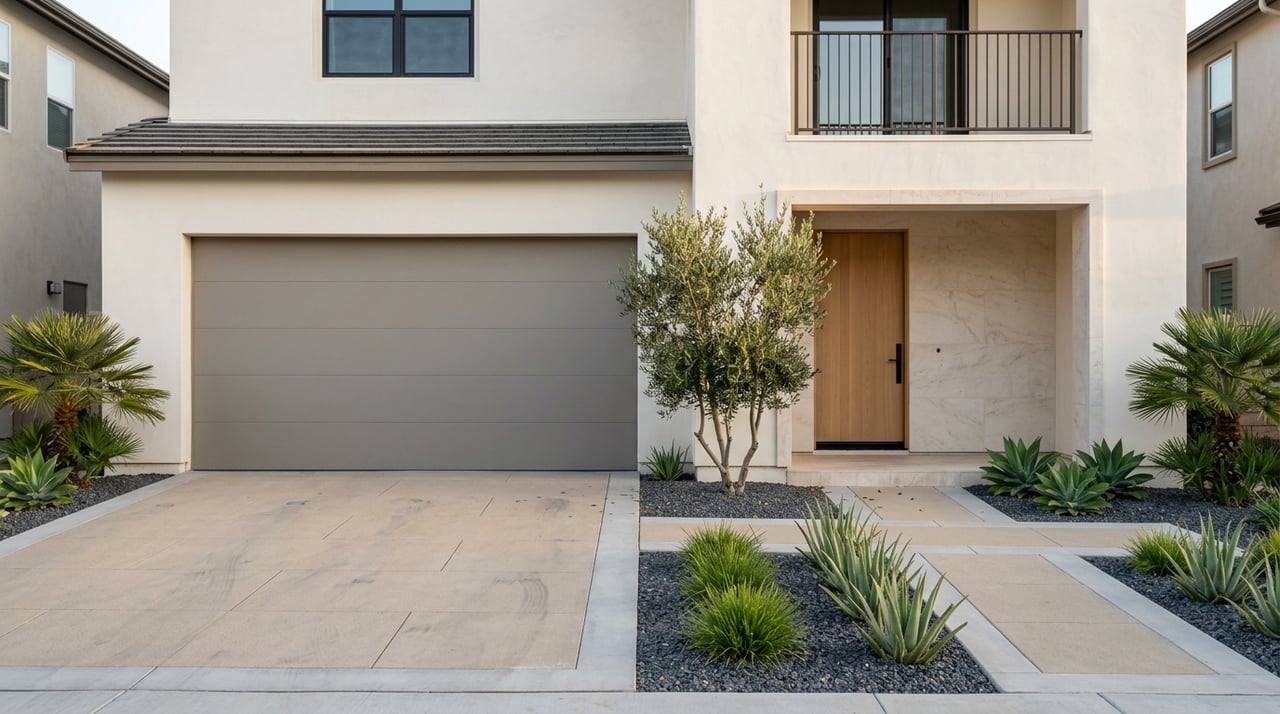
- Well-kept outdoor spaces, entries, and patios
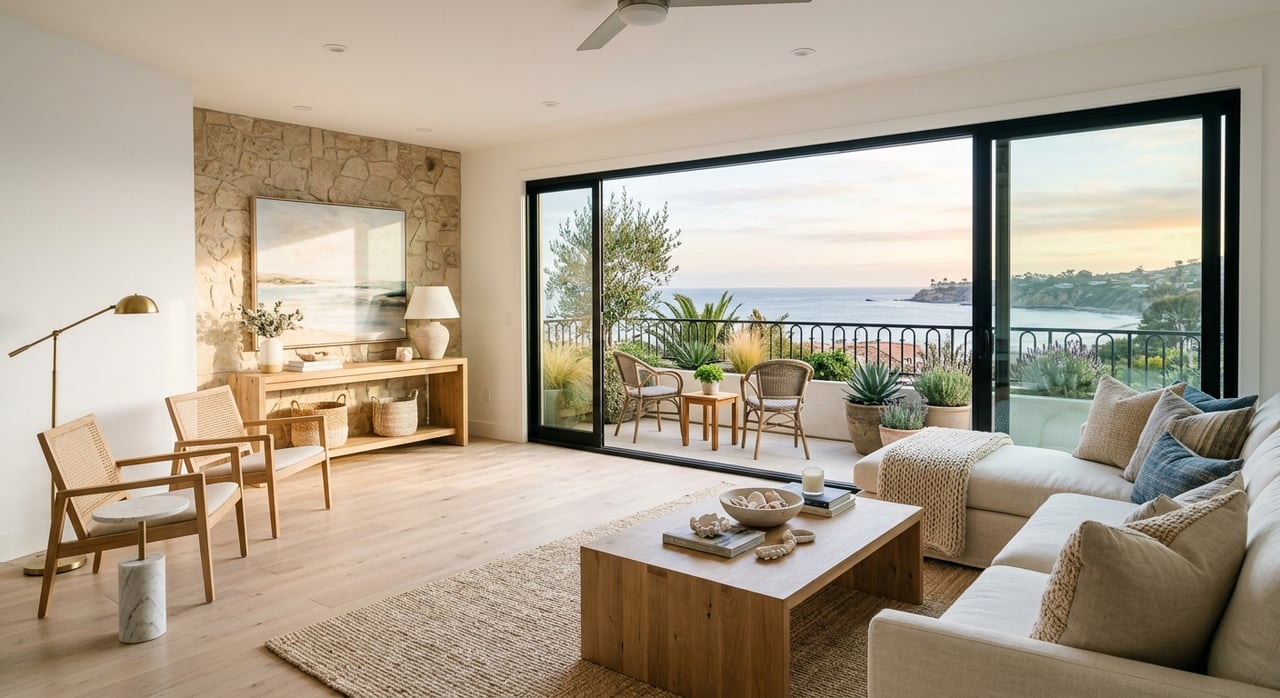
In coastal homes, buyers are often drawn to light, air, and the relationship between indoor and outdoor space. Your goal is to make the home feel calm, bright, and intentionally maintained.
Check for coastal wear and tear
Coastal homes age differently than inland homes. Salt spray and onshore winds can speed up corrosion, especially on exposed metal components. That makes it smart to inspect railings, flashing, exterior hardware, connectors, and similar materials before listing.
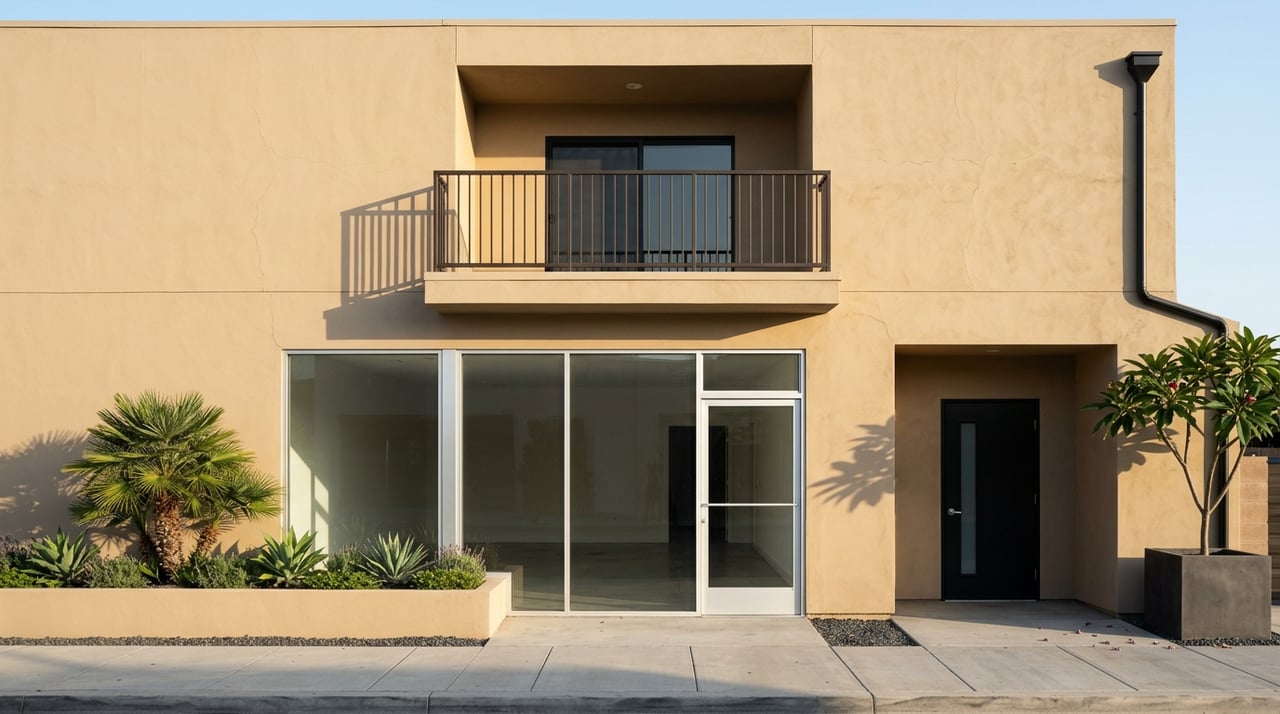
In Encinitas, exterior maintenance carries extra weight because the city’s coastal management guidance highlights erosion, wave action, beach narrowing, and bluff impacts as ongoing realities along the shoreline. Buyers may not be engineers, but they do notice deferred maintenance. Rust, worn finishes, loose railings, or tired hardscape can raise questions that affect confidence.
Areas to review before listing
Walk your property with a careful eye and review:
- Metal railings and gates
- Exterior hardware and fasteners
- Flashing and exposed trim details
- Drainage paths and runoff areas
- Decks, patios, and hardscape surfaces
- Fencing, stairs, and view-oriented safety features
You do not need to over-improve everything. You do want the home to look cared for, safe, and consistent with the asking price you hope to achieve.
Understand permits before you renovate
If you are thinking about doing more than cosmetic work before listing, check the permit path early. In Encinitas, work in the coastal zone can require a Coastal Development Permit. The city also flags specific policy guidance for removing more than 50% of the exterior walls of an existing single-family home and lists beach- and bluff-related encroachment permits for items such as seawalls, bluff maintenance, and bluff stabilization.
That matters because a pre-sale project that looks simple at first can turn into a longer timeline if permit review is required. In the coastal zone, development generally may not begin until a Coastal Development Permit has been issued. If your property has bluff exposure or other shoreline-related considerations, this becomes even more important.
When to pause and verify
Before starting any larger project, verify the permit history and whether new approvals may be needed if you plan to:
- Rebuild or substantially alter exterior walls
- Make bluff-related repairs or stabilization work
- Add or significantly change exterior structures
- Complete shoreline-facing improvements
- Tackle larger drainage or site changes
This is one area where good advice can save you time and reduce risk. The right pre-listing update can help your sale. The wrong one can delay your launch or create avoidable questions from buyers.
Gather disclosures and records early
In California, seller disclosures are not the same as permits. The Transfer Disclosure Statement addresses the physical condition of the property and known hazards or defects. The Natural Hazard Disclosure Statement covers statutory hazard zones such as flood, fault, fire-hazard, and wildland fire areas.
For an Encinitas coastal home, buyers and their agents often look closely at disclosure completeness, inspection records, and permit history. If your home has had repairs, upgrades, drainage work, or coastal-related maintenance, organize those records before going live. That way, you are not scrambling after a buyer starts asking questions.
Helpful documents to gather
Try to assemble:
- Prior permits and final approvals
- Invoices for major repairs or maintenance
- Inspection reports if available
- Roofing, window, or appliance records
- Drainage or exterior maintenance documentation
- Any records tied to bluff, shoreline, or site work
A complete file does more than answer questions. It can help buyers feel comfortable moving forward in a market where decisions happen quickly.
Stage for light, views, and flow
Staging still matters, even in a strong market. According to the 2025 Profile of Home Staging, 83% of buyers’ agents said staging made it easier for buyers to visualize a property as a future home, and 60% said staging affected most buyers most of the time. The living room, primary bedroom, and dining room were the most commonly identified spaces to stage.
For Encinitas coastal homes, staging should support the features buyers already want. Local trend data include descriptors such as scenic views, sunset view, panoramic view, beach access, and close to beach. That suggests your staging strategy should preserve sightlines, reduce visual clutter, and keep the home feeling open rather than heavily furnished.
Best rooms to focus on
If you are prioritizing staging resources, start with:
- Living room
- Primary bedroom
- Dining room
- Entry sequence
- Outdoor entertaining areas
The goal is not to fill the home. The goal is to help buyers notice space, light, and any view or indoor-outdoor connection your property offers.
Finish staging before photos
Because Encinitas homes are moving quickly, staging should be complete before photography and marketing begin. Buyers place high importance on photos, videos, and virtual tours, and those first impressions shape whether they schedule a showing. If the home launches before it is fully ready, you may miss your best momentum.
In a market with a median of 19 days on market, your first weekend matters. Your street presence, photo set, and in-person showing experience should all tell the same story. If the home looks polished in person but underwhelming online, or vice versa, you lose some of that advantage.
Price with current coastal comps
Pricing a coastal home in Encinitas is not just about square footage. The most reliable approach is to use the most recent coastal comparables, then adjust for condition, view quality, access, and shoreline context. A broader inland benchmark may miss the factors buyers care about most near the coast.
Today’s market also leaves less room for vague pricing experiments. With homes selling quickly, nearly at list on average, and more than 32% selling above list, buyers are actively competing for well-prepared properties. Strong pricing starts with strong positioning, not guesswork.
What influences pricing most
Recent coastal comparables should be weighed against:
- Overall property condition
- Quality of views and sightlines
- Proximity and access to coastal amenities
- Exterior maintenance and presentation
- Bluff exposure or shoreline context
- Level of documentation and disclosure readiness
A disciplined pricing strategy helps you attract the right attention early. That is especially important when buyers are comparing a small pool of similar coastal listings.
Launch when the home is truly ready
There is no magic month that fixes weak preparation. In Encinitas, timing is often less about seasonality and more about whether the home is ready from the curb to the disclosures. If your property has coastal-risk features or pending maintenance questions, it usually makes sense to resolve those issues before the first showing.
A clean launch creates confidence. Buyers can absorb a lot when they feel a seller has been thoughtful, organized, and transparent. They become more cautious when they sense missing records, unfinished repairs, or unclear permit history.
Why local guidance helps
Selling a coastal home in Encinitas calls for more than standard listing prep. It often requires someone who can translate market data, coastal context, permit questions, and buyer expectations into a clear action plan. That includes knowing which repairs are worth doing, which projects could trigger unnecessary permitting, and how to position the home with current coastal comps.
That advisory role matters because coastal buyers tend to look at both lifestyle and risk. They want the light, views, and location, but they also want confidence in condition, maintenance, and documentation. A thoughtful pre-listing strategy helps you speak to both.
If you are preparing to sell a coastal home in Encinitas, the strongest next step is usually a focused pre-list review of condition, records, permit history, and market positioning. The team at Folio Real Estate brings a data-driven, operator-minded approach to coastal real estate, helping you prepare your home thoughtfully and bring it to market with confidence.
FAQs
What should you fix before selling a coastal home in Encinitas?
- Start with visible, high-impact items such as fresh paint, clean windows, dated appliances, worn exterior finishes, and any corrosion on exposed metal components like railings or hardware.
Do coastal home projects in Encinitas need permits?
- Some do. Work in the coastal zone can require a Coastal Development Permit, and certain bluff- or shoreline-related improvements may need additional review or encroachment permits.
What disclosures matter when selling an Encinitas coastal home?
- California sellers should expect to complete the Transfer Disclosure Statement and Natural Hazard Disclosure Statement, and coastal buyers may also look closely at repair records, inspection reports, and permit history.
How should you stage an Encinitas coastal home for sale?
- Keep the home bright, uncluttered, and easy to visualize, with special focus on the living room, primary bedroom, dining room, and any spaces that highlight light, views, or indoor-outdoor flow.
How do you price a coastal home in Encinitas?
- The safest approach is to use the most recent coastal comparables and adjust for condition, views, access, and shoreline context rather than relying on broader inland comparisons.
When is the best time to list a coastal home in Encinitas?
- In this market, the best time is usually when the home is fully prepared, staged, photographed, and supported by complete disclosures and records.