Close on a Golden Hill fourplex in April, and you have already missed your shot at the one thing that could have changed its economics for a decade. Not a rent increase. Not a refinance. A filing window that opened January 1, closed March 31, and will not reopen until next year.
Most buyers never learn this until it is too late, because the tax break in question does not show up on a rent roll or a broker's offering memo. It shows up on the county assessor's calculation of what the building owes, and it only applies to owners who knew to ask for it during a three-month window most investors never think to check.
The Deadline Nobody Mentions at Closing
The City of San Diego accepts Mills Act applications only between January 1 and March 31 each year, and the property must already carry local historic designation by the end of the prior December to qualify. Miss that window and the building's owner, new or old, carries a full market-value tax bill for the rest of the year, with no path to file again until the following January.
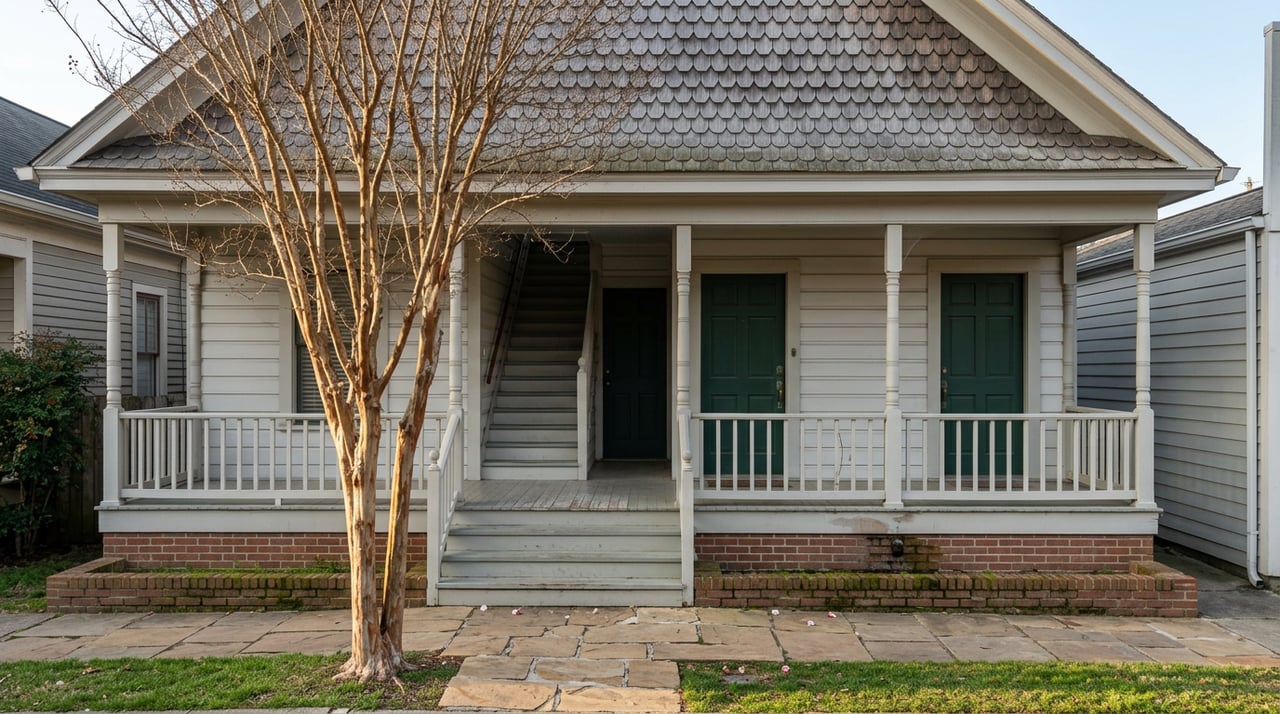
For a neighborhood built almost entirely between the 1880s and the 1920s, that timing detail matters more than it would almost anywhere else in San Diego. Golden Hill's late Victorian and Craftsman housing stock, much of it converted into small apartment buildings decades ago, is exactly the inventory the Mills Act was written for. Yet the calendar mechanics of the program mean a buyer who closes escrow in June is locked out of applying until the following January, and won't see the tax adjustment reflected on a bill until the year after that.
Already Designated, Never Enrolled
Here is the part that rarely makes it into an investor's underwriting model. A meaningful share of Golden Hill's historic buildings are already eligible for the Mills Act and simply have not been enrolled. The designation exists. The contract does not. That gap between "qualifies" and "actually filed" is where the real opportunity sits, because it means the tax reduction isn't priced into what a seller is asking.
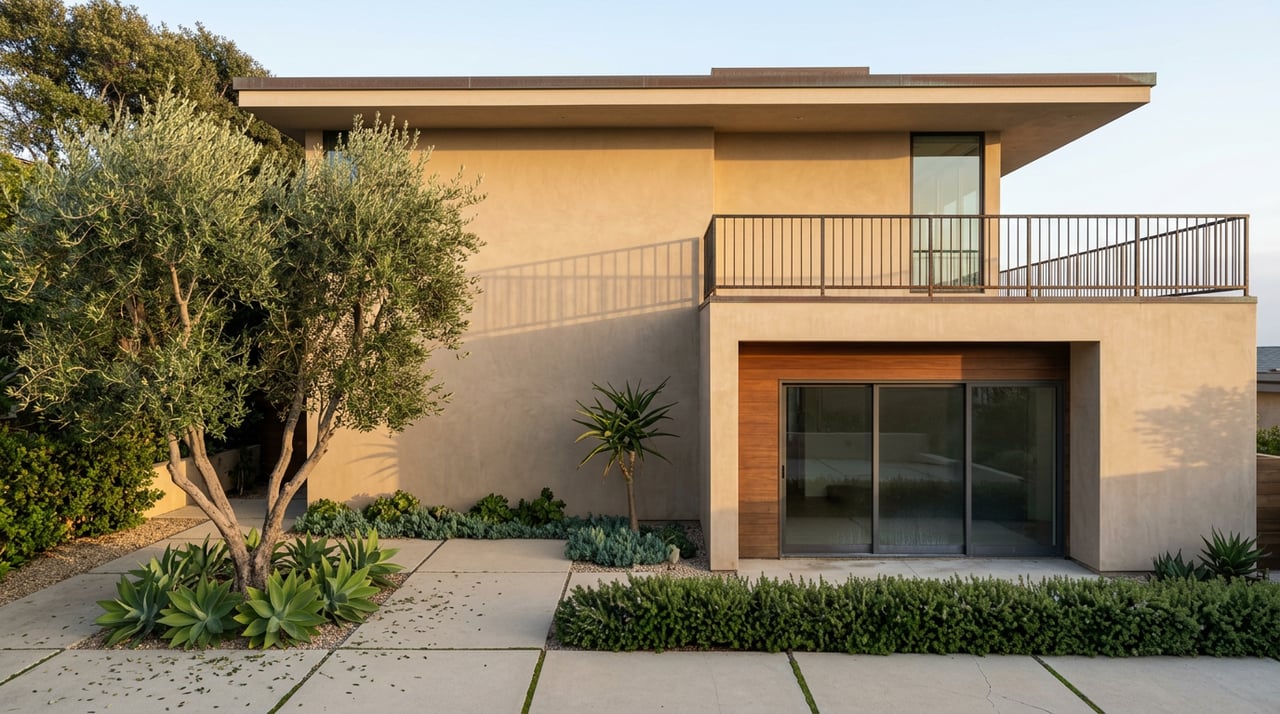
Local buyer's agents who specialize in historic districts describe this as "hidden Mills Act potential," pointing specifically to South Park and Golden Hill as neighborhoods where designated but unenrolled properties are common. A current listing at 904-14 24th Street illustrates the type: an eight-unit apartment building on the Western Slopes side of Golden Hill, built in 1910, with a Walk Score in the high 80s and full occupancy. That is the profile the Mills Act was designed to reward. Compare it to a new ten-unit building on E Street, built within the last few years. The 1910 building can apply for a decade-long tax contract once enrolled. The new one, no matter how well built, cannot, because Mills Act eligibility requires historic designation and nothing built recently qualifies.
How the Tax Bill Actually Gets Recalculated
Once a property is enrolled, the county assessor stops using comparable sales to set its taxable value and switches to an income-based formula instead, calculating what the building could reasonably earn in rent, subtracting operating expenses, and dividing by a capitalization rate the assessor sets annually for Mills Act properties. The result is often a taxable value well below the price the buyer actually paid, which is why the county and city both publish the same range for expected savings: twenty to seventy percent off what the property tax bill would otherwise be.
The contract runs for an initial ten years and renews automatically each year unless either the city or the owner moves to end it, which means in practice the benefit rarely has a natural expiration. It also transfers with the property. A buyer who acquires an already-enrolled Mills Act building inherits the tax treatment along with the maintenance obligations that come with it, which is one more reason enrollment status deserves the same scrutiny as a rent roll during due diligence.
To qualify, a property generally needs one of the following:
- Individual listing on the City of San Diego Historical Resources Register
- Status as a contributing structure within a locally designated historic district
- A completed Historical Resource Research Report accepted by the city's Historical Resources Board
None of that happens automatically at closing. The application, the cost estimates for restoration work, and the ten-year maintenance plan all have to be assembled and submitted inside that January-to-March window, which is exactly why so many eligible buildings sit unenrolled year after year. Nobody gets around to it.
Why It Matters More Now Than It Did Two Years Ago
Golden Hill's overall median sale price reached roughly $1.27 million as of May 2026, up close to 28 percent year over year, and as of August 2026 the neighborhood's multi-family listings carried a median asking price above $1.5 million. Paying more per door means every basis point of yield matters more than it used to, and San Diego multifamily buyers generally accept lower going-in cap rates than investors would in most other metro areas, betting on rent growth and supply constraints to make up the difference over the hold period.
A Mills Act contract does not change a building's rent roll. It changes the expense side of the ledger in a way that behaves like a permanent, contractual reduction in one of the largest fixed costs an owner carries. In a market where compressed cap rates already ask investors to accept a thinner current yield in exchange for long-term appreciation, a legally documented reduction to the tax line is one of the few levers available that does not depend on rent growth, interest rates, or exit timing to pay off.
What New Construction Can't Do
Golden Hill is also home to new supply that illustrates the other side of this comparison. CBG Building Company's Golden Hill Apartments project, a 213-unit, eight-story building with eleven affordable units and modern stormwater infrastructure, represents the kind of ground-up development the neighborhood is absorbing alongside its older housing stock. It is a different asset class entirely, built for scale and current code compliance rather than historic character, and it has no path to Mills Act eligibility because the program only applies to properties carrying historic designation.
That distinction is worth sitting with if you are comparing a renovated 1910s fourplex against a newer building down the street. The older property may need a new roof or updated electrical. It also may carry a tax advantage the new building can never access, no matter how it is financed or operated.
A Note on the Neighborhood Effect
A University of California real estate analysis, cited by local preservation advocates, found that historic designation tends to lift nearby property values too, with a documented minimum increase of roughly 3.8 percent for parcels within 500 feet of a newly designated historic property or district. For an owner holding more than one parcel on the same block, or evaluating a block where a neighboring building has recently been designated, that is a data point worth factoring into a hold-period value forecast, separate from whatever happens with that specific parcel's own Mills Act status.
A Few Questions Worth Asking Before You Write an Offer
Does the Mills Act apply to multi-unit rental buildings, or only owner-occupied historic homes? It applies to income-producing historic properties too. The assessor's formula for enrolled multi-unit buildings uses the property's rental income and operating expenses rather than comparable sales, which is a different calculation than the one used for an owner-occupied single-family home but follows the same underlying statute.
If I buy a building that already has a Mills Act contract, do I inherit it automatically? Yes. The contract is tied to the property, not the seller, so the tax treatment and the accompanying maintenance obligations both transfer at closing. Confirming the contract's status and current terms before you write an offer is worth the extra step, since the enrollment paperwork itself won't necessarily show up in a standard title search.
The Takeaway for Anyone Underwriting Golden Hill
The number that changes the math on a Golden Hill multifamily deal isn't always the rent roll or the cap rate everyone else is quoting. Sometimes it's a filing window most buyers never check, attached to a tax program most sellers never mention, on a building type this neighborhood has more of than almost anywhere else in San Diego.
If you are evaluating a historic multi-unit property in Golden Hill, or trying to figure out whether a listing's asking price already accounts for a Mills Act benefit nobody has filed for yet, Folio Real Estate can walk the enrollment status, the timeline, and the underwriting through with you before you're locked into a purchase agreement. Build Your Folio With Us.