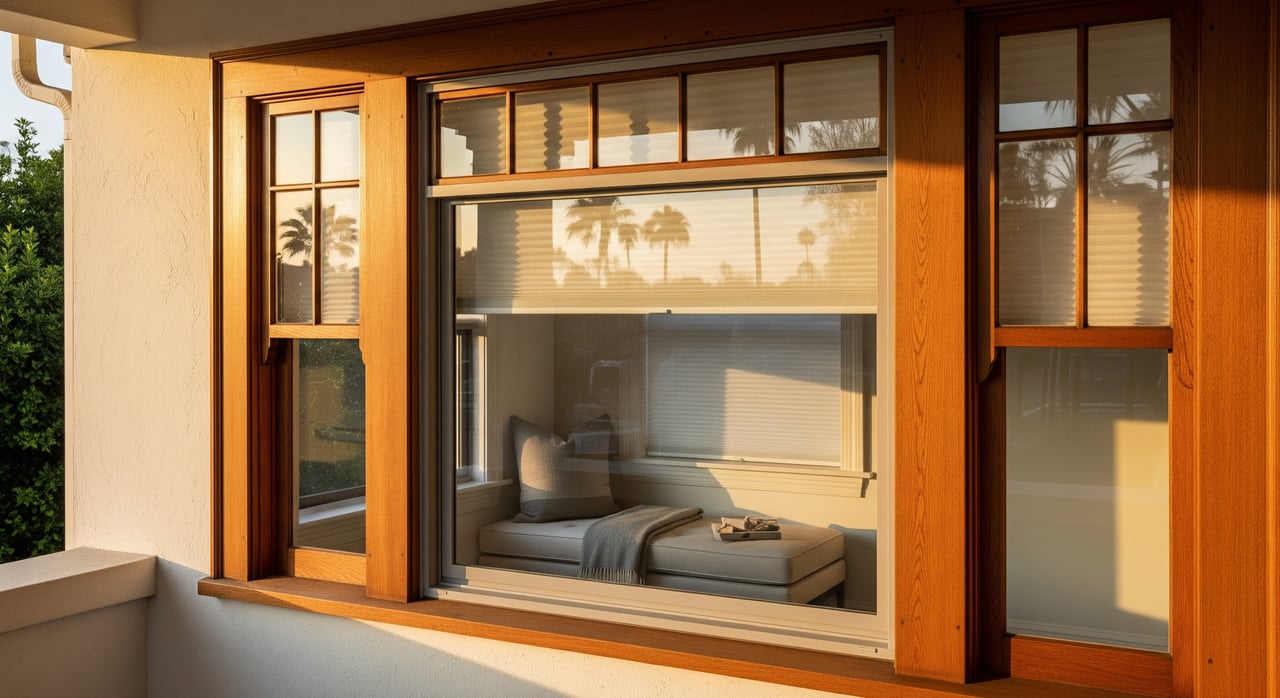
Do your original North Park windows look beautiful but feel drafty by afternoon or unbearably warm by late day sun? You’re not alone. Many historic homes here juggle comfort, energy costs, and preservation rules. The good news: you can boost comfort and control heat without losing historic character or triggering expensive replacements. Below is a practical, preservation-friendly game plan tailored to North Park. Let’s dive in.
Why North Park’s historic windows feel drafty
North Park’s Mediterranean climate means mild winters and warm summers with stronger heat on inland blocks. Single-pane, wood-sash windows often leak air, conduct heat, and let in a lot of sun. You may notice drafts, sticking sashes, condensation, and street noise. The right upgrades can cut heat gain in summer, reduce drafts in cooler months, and keep your home’s original look.
Know the rules before you start
Several North Park areas are locally designated historic districts, including parts of Spalding Place, Valle Vista Terrace, Melhorn & Son, Altadena, and Park Boulevard Residential. If your home is in a district or is individually designated, exterior changes can require historic review. Use the City’s historic districts records to confirm your status and connect with staff early to understand review steps and permits. Check the City’s historic districts dataset.
Preservation guidance is clear: repair first, retrofit second, replace only when necessary. The U.S. Secretary of the Interior’s Standards and National Park Service guidance prioritize retaining original fabric and matching historic details when upgrades are needed. Review NPS guidance on historic windows.
Start with repair and air sealing
Basic maintenance often delivers the biggest comfort boost for the dollar while protecting historic value. Repair rotted wood, reglaze cracked panes, renew glazing putty, repaint, and add discreet weatherstripping and caulk. The Department of Energy notes that targeted air sealing and weatherstripping can meaningfully reduce drafts and heat loss. See DOE guidance on weatherstripping.
Tip: If sashes are hard to operate, a good tune-up can restore smooth movement and improve the seal when closed.
Add low-impact upgrades that work
Low-e storm windows
Low-e storm windows, installed either inside or outside, create an insulating air space and block unwanted solar heat. The DOE reports that low-e storms can deliver roughly 10 to 30 percent reductions in heating and cooling energy for single-pane windows, often achieving comfort similar to replacements at a fraction of the cost. The DOE’s examples show basic storms often in the tens-to-low hundreds of dollars per window, with custom low-e options higher, still typically below replacement costs. If using exterior storms, match muntin lines and finishes so they do not obscure trim, and confirm visibility requirements if your facade faces the street. Learn more about storm windows from DOE.
Interior storm inserts
Removable interior inserts compress-fit or magnetically mount inside your existing frame, adding insulation and sealing air leaks. Field research on a single-family historic home reported about a 22 percent HVAC energy reduction after interior inserts were installed, along with noticeable noise reduction. Inserts preserve the exterior look, are reversible, and are often less expensive than full replacements. See PNNL field study results on inserts.
Low-e window films
Thin low-e films applied on the interior reduce solar heat gain and glare while filtering UV. Performance varies by orientation and glass type, and some films subtly change appearance. Films are non-invasive and can help in rooms with strong sun exposure. Check compatibility with your glass and any local review needs. Read technical insights on applied films.
Interior shades and exterior shading
Insulated cellular shades are an easy, reversible way to cut heat loss in winter and block heat in summer. The DOE notes tightly fitted cellular shades can significantly reduce heat loss at the window and trim whole-home heating use in examples. Exterior awnings or properly placed shading can also reduce solar gain on west and south facades. Explore DOE guidance on energy-efficient window coverings.
When replacement makes sense
If a window is beyond repair, replacement may be appropriate. Preservation standards expect close visual matches, especially on street-facing, character-defining elevations. In North Park’s mild climate, replacement payback can be long compared with storms or inserts that often achieve similar comfort results at lower cost. Document deterioration, specify in-kind details, and coordinate with City staff before you order new units. Refer back to the NPS standards for what is considered compatible.
Permits and a simple workflow
Follow a clear process to save time and avoid rework:
Confirm historic status and ask early questions. Use the City’s historic districts dataset and connect with Historical Resources staff to understand whether your scope is repair or replacement and if exterior elements will be visible. Start with the City dataset.
Get a basic home energy assessment. A BPI or RESNET-style audit helps you sequence upgrades and estimate benefits. This also aligns with how many incentives are structured.
Do preservation-friendly fixes first. Repair, reglaze, caulk, and weatherstrip. Add cellular shades where privacy and comfort align.
Layer on storms or inserts. Choose low-e storm windows or interior inserts for bigger comfort gains while keeping your facade intact. Confirm finishes and visibility if storms will be exterior.
Replace only when needed. If replacement is unavoidable, document conditions and specify a close visual match per the Secretary of the Interior’s Standards.
Incentives and budget helpers
Federal tax credit. The Energy Efficient Home Improvement Credit may apply to qualifying exterior windows placed in service through 2025, subject to product and annual limits. Always confirm current rules, eligible product criteria, and documentation requirements. See IRS guidance on the 25C credit.
Local utility and city programs. SDG&E periodically offers whole-home upgrade and assistance programs that can include window-related measures as part of a broader scope. Availability changes, so review current offerings. Check SDG&E’s residential savings page. The City’s HEART program also supports certain energy upgrades for qualifying households. Review the City’s HEART program.
Mills Act for designated historic properties. For qualifying, locally designated historic homes, a Mills Act contract can reduce property taxes in exchange for ongoing preservation. Application windows are limited and set by the City, and the contract can bind future owners. Learn about San Diego’s Mills Act process.
A practical plan for North Park homes
- Inspect and tune up your windows. Repair, reglaze, repaint, and weatherstrip to cut drafts fast.
- Address sun and noise. Add low-e storms or interior inserts to manage heat and improve acoustics while keeping your home’s character.
- Use smart shading. Fit cellular shades at key windows and consider exterior shading on west and south exposures.
- Coordinate approvals. If you are in a historic district, check visibility from the street and align finishes with existing details before you order anything.
- Stack incentives. Confirm tax credits and local programs, and document product eligibility for your records.
Ready to create a more comfortable, historically correct home in North Park? If you are weighing value-add upgrades before a sale or purchase, or planning a long-term hold, connect with Folio Real Estate for local guidance and vetted resources that align with preservation and performance.
FAQs
Can you upgrade comfort without changing the exterior look of a historic North Park home?
- Yes. Start with repair, reglazing, caulking, weatherstripping, interior storm inserts, and cellular shades to improve comfort while preserving exterior character, consistent with National Park Service guidance.
Are low-e storm windows and interior inserts actually effective on single-pane windows?
- Yes. DOE reports low-e storms can reduce heating and cooling energy roughly 10 to 30 percent, and field research shows interior inserts can produce significant HVAC savings and noise reduction in historic homes.
Do I need City approval to add exterior storm windows in a historic district?
- Often. If storms are visible from the street, the City may review materials, proportions, and finishes to ensure they match the home’s character; contact Historical Resources staff early.
When is full window replacement appropriate for a historic North Park house?
- Replacement is a last resort when repair is not feasible; if needed, specify a close visual match and coordinate with City staff under the Secretary of the Interior’s Standards to protect character-defining elevations.